
Head Injuries: Workplace Guide to Concussions and Traumatic Brain Injury
Learn how to recognize, stabilize, and monitor head injuries. Protect the neck, check mental status, and know when to call 911. Get certified with Work Readiness Center—schedule your class today!
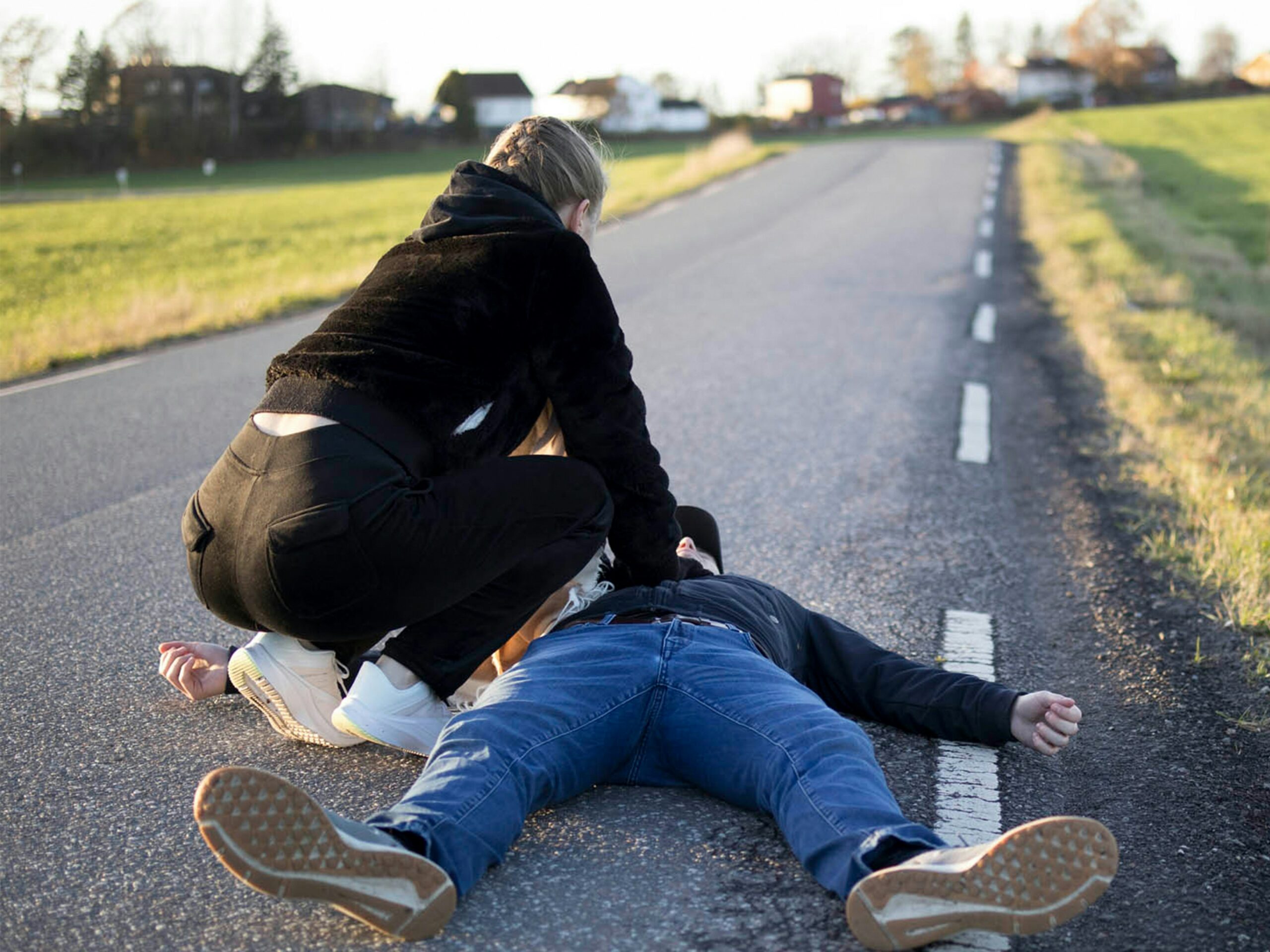
Head Injuries: Your Complete First Aid Guide for Concussions and Traumatic Brain Injury
Head injuries range from mild concussions to life-threatening traumatic brain injuries (TBI). They can result from falls, blows to the head, vehicle collisions, or impact from tools and machinery. Quick, correct action helps prevent secondary harm, reduces swelling and bleeding inside the skull, and improves the chances of full recovery.
At Work Readiness Center, an Official American Heart Association (AHA) Training Center serving Cumming, GA and the greater Atlanta metro area, our first aid courses teach evidence-based response to head injuries. You’ll learn how to spot red flags that require EMS, apply cervical spine (C-spine) precautions, control bleeding from scalp and facial wounds, monitor pupils and mental status, and document the mechanism and timeline of injury for medical teams.
Understanding Head Injuries: Mechanisms and Types
How the injury happened guides your assessment and next steps. Always consider neck injury until proven otherwise.
Concussions (Mild TBI)
A concussion is a brain injury caused by a blow or jolt that disrupts normal brain function, often without loss of consciousness. Common mechanisms include:
- Falls at the same level or from short heights
- Struck-by incidents (tools, materials, doors, equipment)
- Sudden acceleration/deceleration (vehicle stops, collisions)
- Sports or recreation impacts at work events
Moderate to Severe TBI
These injuries involve more significant brain damage and may include skull fracture or bleeding inside the skull (intracranial hemorrhage). Rapid recognition and EMS activation are critical.
Skull and Facial Injuries
Skull fractures and facial trauma may accompany brain injury. Signs like fluid leaking from the nose or ears, “raccoon eyes,” or bruising behind the ear (Battle sign) point to possible skull base fracture and demand immediate EMS.
Scalp Wounds
Scalp lacerations bleed heavily due to rich blood supply. While often superficial, they can coexist with serious brain injury. Control bleeding carefully while maintaining C-spine precautions.
Secondary Injury Risks
Swelling, decreased oxygen, vomiting with aspiration, and movement of a potentially injured neck can worsen outcomes. Your goal is to stabilize, minimize movement, and monitor until help arrives.
Head Injury Severity: Concussion vs. Severe TBI
Recognizing severity helps you decide when to call 911 and how to manage the scene.
Concussion: Key Signs and Symptoms
Concussions affect brain function but may present subtly. Watch for:
- Headache, pressure in the head
- Dizziness, balance problems, nausea
- Confusion, memory gaps around the event, slow responses
- Sensitivity to light/noise, blurry vision
- Brief loss of consciousness or none at all
Typical course: Symptoms may develop immediately or over hours. Rest and medical evaluation are recommended even if the person “feels fine.” Remove from work duties that require focus, balance, or hazard exposure.
Moderate to Severe TBI: Red Flags
Indicators of more serious injury that require immediate EMS (call 911):
- Worsening headache or repeated vomiting
- Loss of consciousness >1 minute or deteriorating responsiveness
- Unequal, fixed, or nonreactive pupils
- Seizure activity
- Clear fluid or blood from nose/ears; bruising around eyes or behind ears
- Weakness, numbness, slurred speech, or new confusion
- Severe neck pain or obvious skull deformity
Immediate priorities: Activate EMS, maintain C-spine precautions, control visible bleeding carefully, monitor airway and breathing, and document the mechanism and timeline.
When in Doubt
If symptoms are evolving, the mechanism was high-energy, or the person cannot be reliably observed, seek urgent medical evaluation.
Step-by-Step First Aid for Head Injuries
Your objectives: protect the brain and spine, prevent aspiration, control scalp bleeding, and monitor for deterioration.
Step 1: Ensure Scene Safety and C‑Spine Precautions
Approach carefully and minimize movement of the head and neck.
- High-risk mechanisms: Falls from height, high-speed impacts, or blows from heavy objects warrant manual stabilization of the head and neck in the position found.
- Do not twist or flex the neck—have the person remain still; use hands to stabilize the head if trained.
- If a helmet is present: Leave it on unless it compromises airway or breathing.
- Call 911 if any red flags are present or mechanism is significant.
Step 2: Airway, Breathing, and Vomiting Management
Protect breathing while preventing aspiration.
- Check responsiveness and breathing. If unresponsive and not breathing normally, begin CPR and use an AED.
- If vomiting occurs and the person is breathing, roll the entire body as one unit (log roll) while maintaining head/neck alignment to clear the airway.
- Do not give food, drink, or medication due to aspiration risk.
- Monitor continuously for changes in breathing, color, or mental status.
- Note seizure activity if present; protect from injury and do not restrain. Seek EMS.
Important: Prioritize airway and spinal alignment together; avoid unnecessary movement.
Step 3: Control Scalp and Facial Bleeding
Scalp wounds can bleed heavily but are often manageable with gentle pressure.
- Apply direct pressure with a sterile dressing or clean cloth. Avoid pressing directly on a suspected skull depression or open fracture.
- If bleeding soaks through, add layers without removing the first dressing.
- Do not pack deeply into wounds or probe for foreign objects.
- For nosebleeds after head impact, do not pinch if clear fluid is present—suspect CSF leak and seek EMS.
Step 4: Monitor Pupils and Mental Status
Frequent checks help detect deterioration.
- Assess orientation (person, place, time, event) and recheck every few minutes.
- Observe pupils for size, equality, and reactivity to light. Unequal or nonreactive pupils are a red flag.
- Track symptoms: worsening headache, confusion, drowsiness, new weakness, or repeated vomiting.
- Document the mechanism, time of injury, first symptoms, observed changes, and care provided.
Step 5: Initial Concussion Care and Return-to-Work Guidance
- Remove from duty immediately after suspected concussion—no driving, operating machinery, working at heights, or tasks requiring high attention.
- Recommend medical evaluation the same day. Provide written observations to the clinician.
- Rest and gradual return: Short period of relative rest (24–48 hours) followed by a stepwise return to cognitive and physical activity as cleared by a healthcare professional.
- Watch for delayed symptoms over 24–72 hours: worsening headache, mood changes, sleep issues, or concentration problems—seek follow-up if they appear.
When to Seek Emergency Medical Care for Head Injuries
Some head injuries are immediately life-threatening and require urgent evaluation. Call 911 without delay if any of the following are present:
Red Flags for Severe Brain Injury
- Loss of consciousness at any time, or inability to awaken the person
- Worsening headache, repeated vomiting, or seizures after the impact
- Unequal or non-reactive pupils, weakness or numbness on one side, slurred speech, or confusion that is getting worse
Danger Signs on Exam
- Signs of skull fracture such as clear fluid from the nose/ears, visible skull depression, blood behind the eardrum, “raccoon eyes,” or “Battle sign” (bruising behind the ear)
- Neck pain, severe mechanism, or high fall—treat as possible cervical spine injury and minimize head/neck movement
High-Risk Mechanisms
- High-speed motor vehicle collisions, pedestrian or cyclist struck, or ejection from a vehicle
- Falls from height or impact from heavy objects to the head
- Blast or electrical incidents where internal injury may be greater than external signs
People at Higher Risk of Complications
- Infants, young children, or older adults
- Individuals on blood thinners or with bleeding disorders (higher risk of intracranial bleeding)
- Signs of shock (pale, clammy skin; rapid, weak pulse; confusion; fainting)
- Known or suspected intoxication (can mask symptoms and worsen outcomes)
Head Injuries with Complicating Features
- Persistent or worsening neurological symptoms (agitation, memory gaps, behavior change, new weakness)
- Headache and dizziness that do not improve within 24–48 hours
- Scalp or facial wounds with heavy bleeding that do not stop with direct pressure
Special Considerations for Suspected Concussions
Concussions are mild traumatic brain injuries that still demand careful assessment and rest to prevent secondary harm.
- Remove the person from activity immediately—no driving, operating machinery, or returning to play/work the same day.
- Monitor for red flags such as worsening headache, repeated vomiting, confusion, or unequal pupils—call 911 if present.
- Limit head and neck movement if the mechanism suggests a possible cervical spine injury; support the head in a neutral position.
- Control external bleeding from scalp wounds with gentle, direct pressure using a clean dressing; avoid pressing on skull depressions.
- Document the mechanism and timeline (how the injury happened, initial symptoms, and changes over time) to guide healthcare providers.
- Avoid sedating medications and alcohol initially and follow medical guidance for graded return to normal activities.
Workplace Head Injury Safety and OSHA Considerations
Head injuries are a leading cause of lost time in construction, warehousing, transportation, and manufacturing. Employers must reduce risk and prepare teams to respond effectively:
- Provide appropriate personal protective equipment (PPE) such as ANSI-rated hard hats, face shields, and eye protection
- Implement fall protection, traffic control, and struck-by prevention measures where overhead or vehicle hazards exist
- Train employees on head injury recognition, C-spine precautions, and first aid response for concussions and TBIs
- Maintain first aid kits stocked for head wounds (sterile dressings, non-adherent pads, gloves) and ensure rapid access to emergency services
Work Readiness Center’s first aid courses include workplace head injury protocols aligned with OSHA expectations and industry best practices.
Preventing Head Injuries: Safety Tips
Prevention starts with hazard awareness and consistent controls. Reduce your risk by:
- Wearing helmets or hard hats where there is risk of falls, flying debris, or overhead loads
- Securing tools and materials at height and using toe boards and nets to prevent dropped objects
- Maintaining clear walkways, proper lighting, and using ladders and scaffolds correctly
- Following traffic plans, seatbelt policies, and lockout/tagout to avoid moving-equipment impacts
- Supervising high-risk tasks and enforcing stop-work authority when conditions change
- Encouraging early reporting of near-misses and minor head impacts to ensure timely evaluation
Learn Head Injury First Aid with Work Readiness Center
At Work Readiness Center, our training equips you to recognize and stabilize suspected concussions and traumatic brain injuries. You’ll learn to:
- Differentiate concussion symptoms from severe TBI warning signs and know when to call 911
- Apply cervical spine precautions and minimize movement after high-risk mechanisms
- Control bleeding from scalp and facial wounds while avoiding pressure on suspected fractures
- Monitor pupils and mental status, manage vomiting to reduce aspiration risk, and document the mechanism and timeline
- Support safe, graded return-to-work decisions after concussion with rest and stepwise activity
Serving Cumming, GA and the greater Atlanta area—including Alpharetta, Duluth, Lawrenceville, Marietta, and beyond—we offer flexible scheduling, onsite group training, and immediate certification upon completion.
Ready to Master Head Injury First Aid?
Call 770-878-3175 or email workreadinesscenterinc@outlook.com to schedule your first aid class today. Our courses run 7 days a week, with blended learning options and hands-on skills sessions designed for real-world readiness.