
Cuts: First Aid Guide for Treating Minor to Severe Wounds
Learn proper first aid for cuts and scrapes. Stop bleeding, prevent infection & know when to seek medical care. Get certified with Work Readiness Center today!
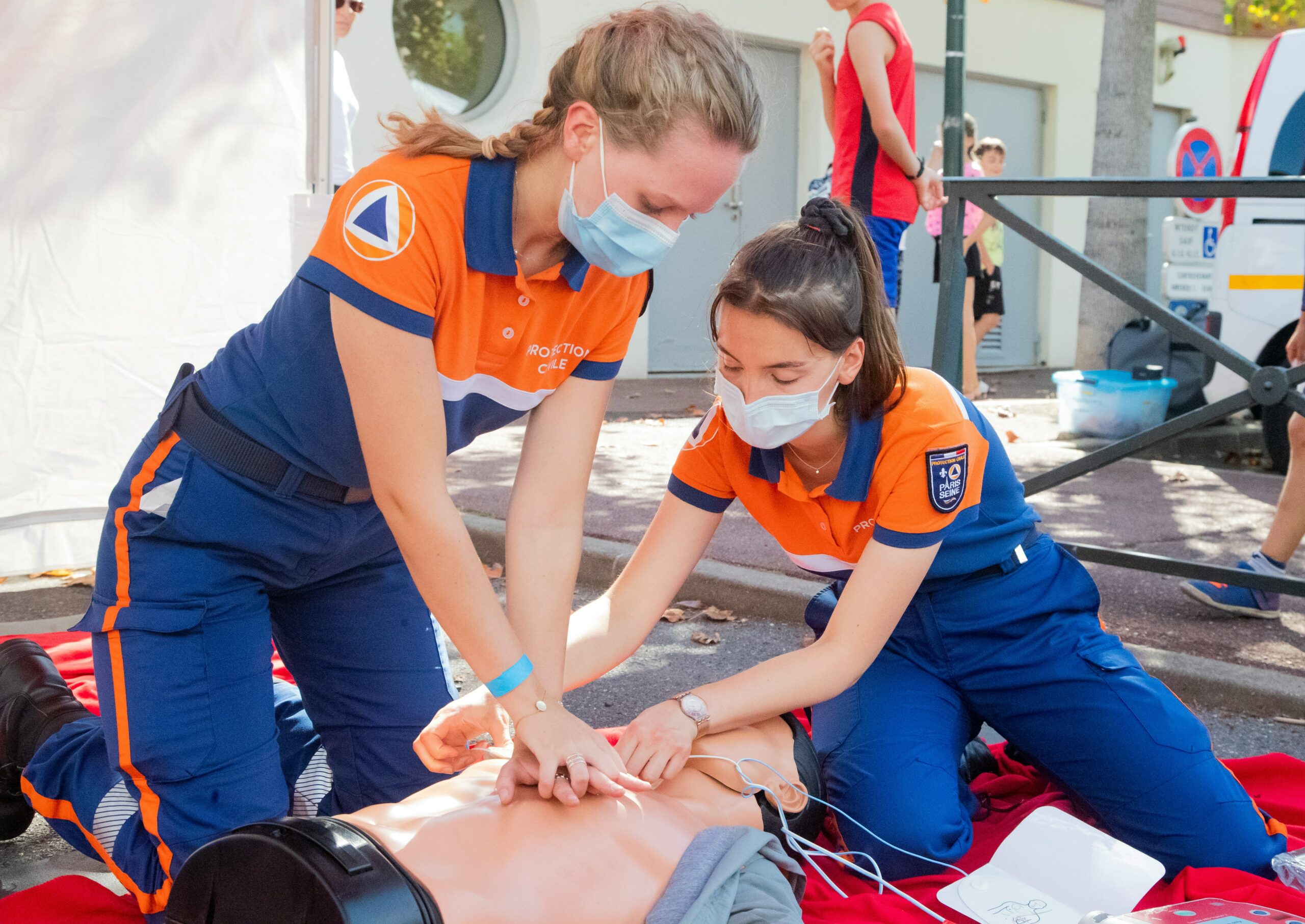
Cuts: Your Complete First Aid Guide for Treating Wounds Safely and Effectively
Cuts are among the most common injuries people experience at home, work, and during recreational activities. Whether it’s a minor kitchen scrape, a deep laceration from a workplace accident, or a jagged wound from a fall, knowing how to properly clean, dress, and monitor a cut can prevent infection, reduce scarring, and promote faster healing.
At Work Readiness Center, an Official American Heart Association (AHA) Training Center serving Cumming, GA and the greater Atlanta metro area, we include comprehensive wound care training in our first aid courses. You’ll learn evidence-based techniques for stopping bleeding, cleaning wounds, applying dressings, and recognizing when professional medical care is necessary.
Understanding Cuts: Types and Severity
Not all cuts are created equal. Understanding the type and severity of a wound helps you determine the appropriate first aid response and whether medical attention is needed.
Minor Cuts and Scrapes
Minor cuts (also called abrasions or superficial wounds) affect only the outer layers of skin. These typically:
- Bleed lightly or ooze
- Have clean, smooth edges
- Are less than ¼ inch deep
- Can be treated at home with basic first aid
Moderate to Severe Cuts
Deeper cuts may involve the dermis (middle skin layer), subcutaneous fat, muscle, or even bone. These require more careful attention and often professional medical care. Signs of a severe cut include:
- Deep, gaping wounds with edges that won’t stay together
- Bleeding that doesn’t stop after 10–15 minutes of firm pressure
- Visible yellow fatty tissue, muscle, or bone
- Location on the face, hands, feet, or over a joint
Special Types of Cuts
- Puncture wounds: Deep, narrow injuries from nails, needles, or animal bites (high infection risk)
- Lacerations: Jagged, irregular tears in the skin
- Avulsions: Tissue is partially or completely torn away
- Skin tears: Separation of skin layers, common in older adults
Step-by-Step First Aid for Cuts
Proper first aid for cuts follows a clear sequence: stop bleeding, clean the wound, apply dressing, and monitor for infection.
Step 1: Stop the Bleeding
Controlling bleeding is the first priority. Follow these steps:
- Wash your hands thoroughly with soap and water, or put on disposable gloves if available.
- Apply direct pressure with a clean gauze pad, cloth, or bandage. Press firmly on the wound for at least 5–10 minutes without lifting to check.
- Elevate the injured area above the level of the heart if possible (e.g., raise an arm or leg).
- Add more layers if blood soaks through the first dressing—do not remove the original bandage.
- Seek emergency care if bleeding is spurting (arterial bleeding), doesn’t stop after 20 minutes of continuous pressure, or if the person shows signs of shock (pale skin, rapid pulse, confusion).
For severe, life-threatening bleeding on limbs, a tourniquet may be necessary. Apply it 2–3 inches above the wound (not over a joint) and tighten until bleeding stops.
Step 2: Clean the Wound
Once bleeding is controlled, cleaning the wound reduces infection risk.healthnz.govt+2
- Rinse under clean, running tap water for several minutes to remove dirt, debris, and bacteria.
- Use mild soap around the wound, but avoid getting soap directly in the cut (it can irritate tissue).
- Remove visible debris with tweezers cleaned with alcohol.
- Avoid harsh antiseptics like hydrogen peroxide, iodine, or alcohol directly on the wound—they can damage healthy tissue and delay healing.
- Pat the surrounding skin dry with a clean towel or gauze.
For deep scrapes, gentle scrubbing with a soft cloth may be needed to remove embedded dirt.
Step 3: Apply Antibiotic Ointment and Dressing
Proper dressing protects the wound and promotes healing.
- Apply a thin layer of antibiotic ointment (e.g., bacitracin, Neosporin) or petroleum jelly to keep the wound moist.
- Cover with a sterile bandage or gauze pad secured with medical tape.
- Change the dressing daily or whenever it becomes wet or dirty.
- Keep the wound clean and dry between dressing changes.
Small cuts and scrapes can sometimes be left uncovered if they’re in a clean, low-friction area.
Step 4: Monitor for Infection
Watch for signs of infection over the next several days. Seek medical care if you notice:
- Increasing redness, warmth, or swelling around the wound
- Pus or cloudy discharge
- Worsening pain or tenderness
- Red streaks spreading from the wound
- Fever or feeling unwell
- Foul odor from the wound
When to See a Doctor for Cuts
Not all cuts can be safely treated at home. Seek professional medical care if:
The Cut Needs Stitches
Stitches (sutures) may be required if:
- The wound is deeper than ¼ inch (you can see yellow fatty tissue, muscle, or bone)
- Bleeding doesn’t stop after 10–15 minutes of firm, continuous pressure
- The edges gape open and won’t stay together on their own
- The cut is longer than ½ inch with irregular or jagged edges
- The wound is on the face (even small facial cuts benefit from precise closure to minimize scarring)
- The cut is over a joint (knuckles, knees, elbows) where movement will prevent healing
The ideal window for stitches is within 6–8 hours of injury (up to 12–24 hours for facial wounds).
The Cut Is High-Risk
Seek medical attention if:
- The wound was caused by an animal or human bite
- There’s a puncture wound from a nail, rusty object, or dirty item
- Foreign material (glass, gravel, metal) is embedded and can’t be removed
- The person has diabetes, poor circulation, or a weakened immune system
- The person takes blood-thinning medication (warfarin, dabigatran, rivaroxaban)
- The wound shows signs of infection (see above)
Tetanus Shot May Be Needed
Tetanus is a serious bacterial infection that can enter through cuts and puncture wounds. Get a tetanus booster if:
- The wound is deep, dirty, or contaminated with soil, saliva, or animal waste
- The person hasn’t had a tetanus shot in the past 5 years (for dirty wounds) or 10 years (for clean wounds)
- The injury came from a rusty or dirty object
The ideal timing for a tetanus shot is within 24–48 hours of injury, though it’s still helpful after 3 days.
Workplace Cuts and Bloodborne Pathogen Safety
In occupational settings, cuts pose additional risks due to potential exposure to bloodborne pathogens like HIV, hepatitis B, and hepatitis C. OSHA’s Bloodborne Pathogens Standard requires employers to provide training and protective equipment for workers who may encounter blood or bodily fluids.
If you’re exposed to blood at work:
- Wash the area immediately with soap and water.
- Flush mucous membranes (eyes, nose, mouth) with clean water or saline for 20 minutes if exposed.
- Report the incident to your supervisor and file an incident report.
- Seek immediate follow-up care as outlined in your employer’s exposure control plan.
Work Readiness Center’s first aid courses include bloodborne pathogen awareness and workplace safety protocols aligned with OSHA standards.
Preventing Cuts: Safety Tips
Prevention is the best first aid. Reduce your risk of cuts by:
- Using sharp knives and tools carefully, cutting away from your body
- Wearing cut-resistant gloves when handling glass, metal, or sharp objects
- Keeping walkways clear of clutter to prevent falls
- Using proper personal protective equipment (PPE) in industrial or construction settings
- Teaching children about knife and tool safety
Learn First Aid for Cuts with Work Readiness Center
At Work Readiness Center, our first aid training includes hands-on practice for wound care, bleeding control, and infection prevention. You’ll learn to:
- Assess wound severity and determine when professional care is needed
- Stop bleeding effectively using direct pressure and elevation
- Clean and dress wounds properly to promote healing
- Recognize early signs of infection and complications
- Follow OSHA-compliant protocols for workplace injuries
Serving Cumming, GA and the greater Atlanta area—including Alpharetta, Duluth, Lawrenceville, Marietta, and beyond—we offer flexible scheduling, onsite group training, and immediate certification upon completion.
Ready to Master First Aid for Cuts?
Call 770-878-3175 or email workreadinesscenterinc@outlook.com to schedule your first aid class today. Our courses run 7 days a week, with blended learning options and hands-on skills sessions designed for real-world readiness.