
Work Readiness Center
Workplace Safety: Training, Planning, and Preparedness for Safer Teams
Strengthen workplace safety with CPR, first aid, bleeding control, AED, and emergency training. Schedule your team training today.
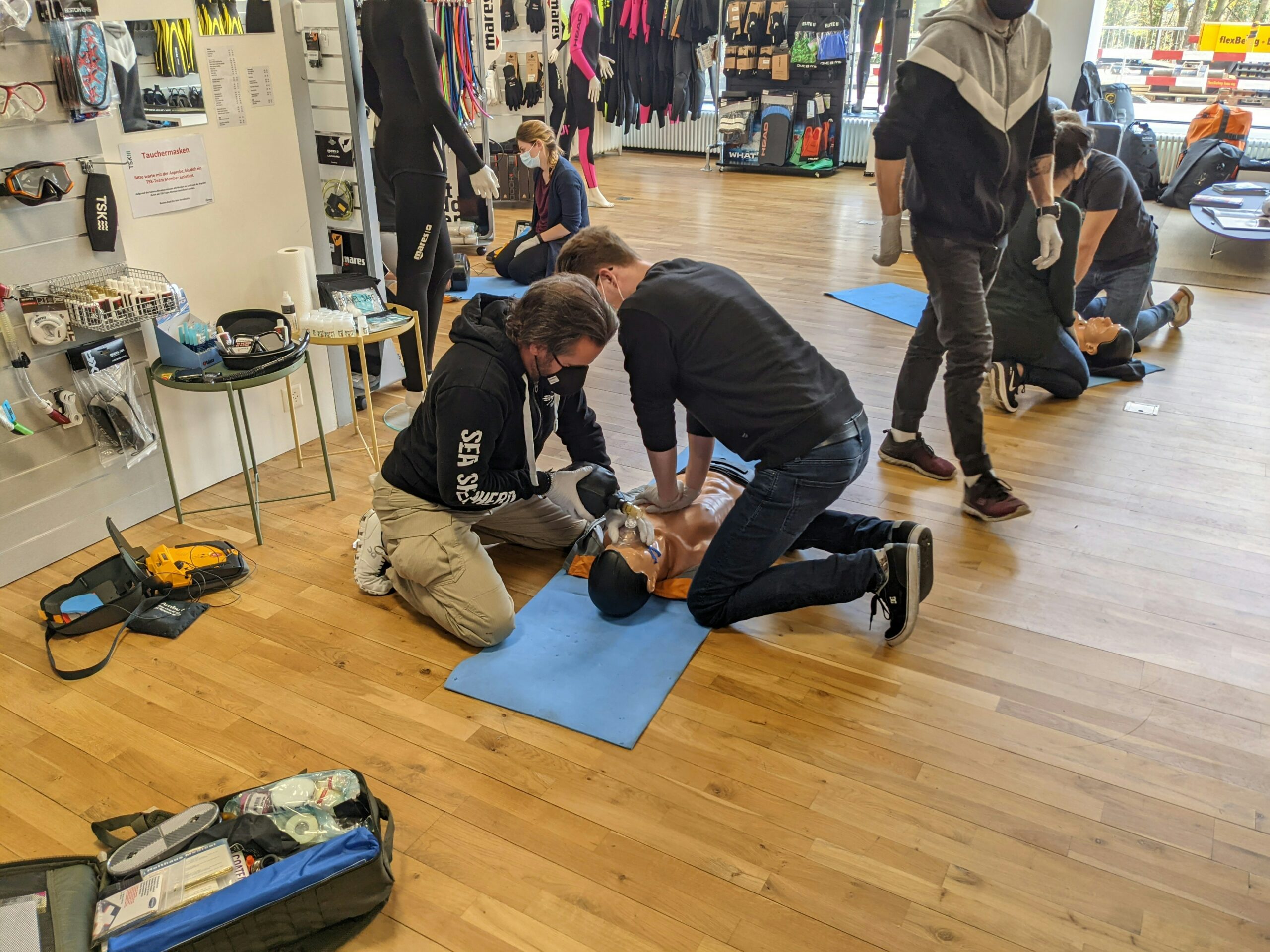
Workplace Safety: A Practical Guide for Employers, Teams, and Job Sites
Workplace safety is more than meeting a compliance requirement. It is the daily practice of identifying hazards, preparing employees to respond, documenting incidents, and building systems that protect people before, during, and after an emergency. A strong safety program combines written procedures, practical training, reliable equipment, clear communication, and ongoing review.
For employers, supervisors, HR leaders, school administrators, healthcare practices, contractors, and facility managers, the goal is simple: reduce preventable injuries and help people respond effectively when an emergency occurs. The Work Readiness Center provides CPR, AED, first aid, bloodborne pathogens, and bleeding-control training for individuals and organizations in Cumming, Metro Atlanta, and North Georgia. Training is available at the Work Readiness Center or on-site for groups and corporate teams.
Workplace safety programs are strongest when they match the realities of the work environment. An office may need a clear medical-emergency response process and trained floor wardens. A construction jobsite may need trauma supplies, jobsite-specific access directions for EMS, and a plan for heat illness, falls, or equipment injuries. A healthcare practice may need bloodborne-pathogen procedures, exposure-control training, and staff who can respond to cardiac or respiratory emergencies.
What Workplace Safety Includes
A workplace safety program should address both prevention and response. Prevention focuses on reducing hazards before they harm someone. Response focuses on helping employees take prompt, organized action when a hazard, injury, medical event, or threat occurs.
Core components typically include:
- Hazard identification, routine inspections, and corrective action.
- Employee safety orientation and role-specific training.
- OSHA compliance requirements that apply to the business and industry.
- Emergency Action Plans for evacuation, severe weather, medical emergencies, fires, and other incidents.
- CPR, AED, first aid, bleeding-control, and bloodborne-pathogen training.
- Clearly stocked and accessible first aid, trauma, and AED equipment.
- Incident reporting, investigation, and follow-up procedures.
- Safety meetings and employee participation through safety committees.
- Review cycles that update policies after a workplace change, near miss, drill, or actual incident.
A safety program should not exist only in a binder or digital folder. Employees need to know where emergency supplies are located, who to call, how to report a hazard, where to evacuate, and what actions they are expected to take. OSHA’s emergency-action-plan standard requires certain employers to establish procedures for reporting emergencies, evacuation, employee accountability, rescue or medical duties, and plan contacts. It also requires employers to review the plan with affected employees when it is developed, when employees are initially assigned, and when responsibilities or the plan change.
OSHA: Building a Compliance Foundation
The Occupational Safety and Health Administration (OSHA) establishes federal workplace safety and health standards for many private-sector employers. OSHA requirements vary by industry, job task, employee count, hazard exposure, and state plan jurisdiction. Employers should identify the standards that apply to their specific operation rather than relying on a one-size-fits-all checklist.
A practical OSHA-focused safety foundation includes:
- Conducting hazard assessments for work areas, equipment, chemicals, tasks, and employee roles.
- Providing required safety training in a language and vocabulary employees can understand.
- Maintaining required records, inspections, policies, and safety documentation.
- Supplying and enforcing appropriate personal protective equipment (PPE).
- Establishing procedures for reporting hazards, injuries, illnesses, and near misses.
- Correcting recognized hazards promptly and documenting corrective actions.
- Reviewing workplace changes, such as new machinery, processes, materials, job duties, or locations.
OSHA recordkeeping rules can require covered employers to use the OSHA 300 Log, OSHA 300A Summary, and OSHA 301 Injury and Illness Incident Report—or equivalent forms—for recordable injuries and illnesses. Recordkeeping and reporting requirements are not identical, and certain employers may be partially exempt based on establishment size or industry classification. Employers should confirm their obligations directly with OSHA or qualified legal and safety professionals.
Bloodborne Pathogens: Protecting Employees From Exposure
Bloodborne pathogens are microorganisms in human blood that can cause disease. Workplace exposure can occur in healthcare settings, childcare environments, correctional facilities, emergency response roles, housekeeping, maintenance, tattoo and personal-care businesses, and any workplace where an employee may reasonably anticipate contact with blood or other potentially infectious materials.
OSHA’s Bloodborne Pathogens Standard, 29 CFR 1910.1030, requires employers with occupational exposure risks to create an exposure control plan and use measures that reduce exposure. The standard also addresses PPE, safe work practices, hepatitis B vaccination, post-exposure evaluation and follow-up, training, and records.
A practical bloodborne-pathogen program should include:
- A written exposure control plan that identifies covered roles and tasks.
- Universal precautions, treating human blood and certain body fluids as potentially infectious.
- Appropriate gloves, masks, eye protection, gowns, resuscitation barriers, and other PPE.
- Safe cleanup procedures and approved disinfectants.
- Sharps safety procedures where needles or other contaminated sharps are present.
- Clearly identified procedures for reporting and responding to an exposure incident.
- Annual training for employees with occupational exposure, along with plan review and updates.
Work Readiness Center offers bloodborne-pathogen and first aid safe
Bleeding Control and Jobsite Medical Response
Severe bleeding is a time-critical emergency. Employees do not need to be healthcare professionals to learn how to recognize life-threatening bleeding, call 911, apply direct pressure, pack a wound when appropriate, or use a tourniquet. Proper hands-on training can help employees act decisively while waiting for EMS.
Workplaces should consider bleeding-control readiness when employees work around machinery, tools, vehicles, glass, construction materials, sharp objects, high-risk recreation, or hazardous industrial processes. A well-prepared site may include trauma kits with protective gloves, pressure dressings, gauze, tourniquets, shears, and clear instructions.
For jobsite medical response, employers should plan for the real conditions responders may face:
- Assign someone to call 911 and communicate the exact worksite address, access gate, floor, building, or GPS location.
- Designate personnel to meet EMS and direct responders to the injured person.
- Keep access routes clear for emergency vehicles.
- Identify the location of first aid kits, trauma supplies, fire extinguishers, and AEDs.
- Account for remote work zones, multiple contractors, changing site layouts, and communication challenges.
- Train employees to stay within their level of training while providing immediate care.
Work Readiness Center provides bleeding-control training and hands-on emergency response education for workplaces, healthcare practices, schools, and other organizations.
Active Shooter Response and Emergency Planning
Active shooter and workplace violence planning require a coordinated, organization-specific approach. Employers should establish clear reporting procedures, encourage employees to report warning signs and threats, work with local law enforcement when appropriate, and prepare employees to respond to an immediate threat.
Training should focus on situational awareness, emergency communications, evacuation options, sheltering procedures, accountability, post-incident support, and coordination with first responders. The exact response plan should reflect the facility layout, operating hours, public access points, employee roles, visitor policies, and local emergency guidance.
An Emergency Action Plan (EAP) is a critical tool for organizing actions during fires, severe weather, chemical releases, medical emergencies, security threats, and other events. When OSHA requires an EAP, the plan must be written, maintained in the workplace, and available for employee review, except employers with 10 or fewer employees may communicate it orally.
At minimum, OSHA’s EAP standard identifies these six elements:
- Procedures for reporting fires and other emergencies.
- Evacuation procedures and assigned exit routes.
- Procedures for employees who must remain briefly to perform critical operations before evacuation.
- Procedures for accounting for employees after evacuation.
- Procedures for employees assigned rescue or medical duties.
- Names or job titles of contacts who can explain the plan or employee responsibilities.
Conduct periodic drills, document lessons learned, and revise the plan after changes to building layouts, staffing, equipment, hazards, or emergency procedures.
Learn more about our on-site CPR and BLS training in Metro Atlanta to discuss your group’s training needs and scheduling options.
Workplace AED Programs
A workplace AED program makes an AED available where employees, clients, visitors, or contractors may experience sudden cardiac arrest. An AED analyzes the heart’s rhythm and, when appropriate, guides the rescuer to deliver a shock. AEDs are designed to provide voice and visual prompts, but employees need to know where devices are located, how to retrieve them, and how AED use fits with CPR and 911 activation.
A complete workplace AED program includes:
- AED placement in visible, accessible locations.
- Clear signage and directional markers.
- AED readiness checks, maintenance logs, and replacement schedules for pads and batteries.
- A designated program coordinator or responsible team.
- Device registration when required or recommended by local or state authorities.
- CPR and AED training for employees across shifts and departments.
- Integration with the organization’s Emergency Action Plan.
Work Readiness Center’s CPR and AED courses include practical instruction on recognizing cardiac arrest, performing high-quality chest compressions, and using an AED with confidence. The center offers in-person and blended learning options, as well as on-site training for business groups.
Learn about Group CPR and BLS training in Metro Atlanta
Safety Committees and Incident Reporting
Safety committees bring employees, supervisors, and management together to identify hazards and improve workplace conditions. The most useful committees do more than review incident statistics. They create a structured feedback loop between frontline employees and decision-makers.
Effective safety committees can:
- Review injury trends, near misses, safety observations, and employee concerns.
- Conduct workplace walkthroughs and recommend corrective actions.
- Track progress on open hazards and verify that corrections are complete.
- Review new equipment, operational changes, and training needs.
- Help plan safety meetings, drills, and awareness campaigns.
- Share safety information across departments, shifts, and work locations.
Incident reporting is equally important. A report should document what happened, where and when it occurred, people involved, witnesses, immediate actions taken, medical treatment, equipment or conditions involved, and recommended follow-up. Reporting near misses matters because these events often reveal hazards before someone is seriously injured.
Use incident reports to identify root causes, not to assign automatic blame. For example, if an employee slips in a hallway, the investigation should consider floor conditions, lighting, footwear requirements, cleaning practices, warning signs, drainage, and whether prior reports identified the same issue. The corrective action may involve more than simply reminding employees to “be careful.”
Workplace Safety Resources
Explore these workplace safety resources from Work Readiness Center:
- OSHA – Learn the workplace safety standards, employer responsibilities, and compliance concepts that may apply to your organization.
- Bloodborne Pathogens – Understand exposure-control plans, PPE, cleanup procedures, and employee protection requirements.
- Bleeding Control – Review immediate actions for life-threatening bleeding and the role of trauma-response supplies.
- Active Shooter Response – Build awareness, communication, evacuation, sheltering, and post-event response procedures.
- Emergency Action Plans – Create practical plans for evacuation, reporting, accountability, medical duties, and emergency communications.
- Safety Committees – Establish an employee-driven process for identifying hazards and tracking meaningful improvements.
- Workplace AED Programs – Plan AED placement, maintenance, staff training, and integration with emergency response procedures.
- Jobsite Medical Response – Prepare construction, industrial, and mobile teams to call for help, direct EMS, and provide immediate care.
- Incident Reporting – Create clear processes for documenting injuries, illnesses, near misses, investigations, and corrective action.
Train Your Team With Work Readiness Center
Workplace safety works best when employees have the knowledge, skills, and confidence to respond without delay. Work Readiness Center is an Official American Heart Association Training Center that offers CPR, AED, first aid, BLS, bloodborne pathogens, and bleeding-control training. Its courses include hands-on practice, skills testing, blended-learning options, and on-site group training throughout Cumming, Metro Atlanta, and North Georgia.