
Seizures: First Aid Guide for Recognition, Safety, and Post-Event Care
Learn how to keep someone safe during a seizure, protect the airway, and support recovery. Get certified with Work Readiness Center—schedule your class today!
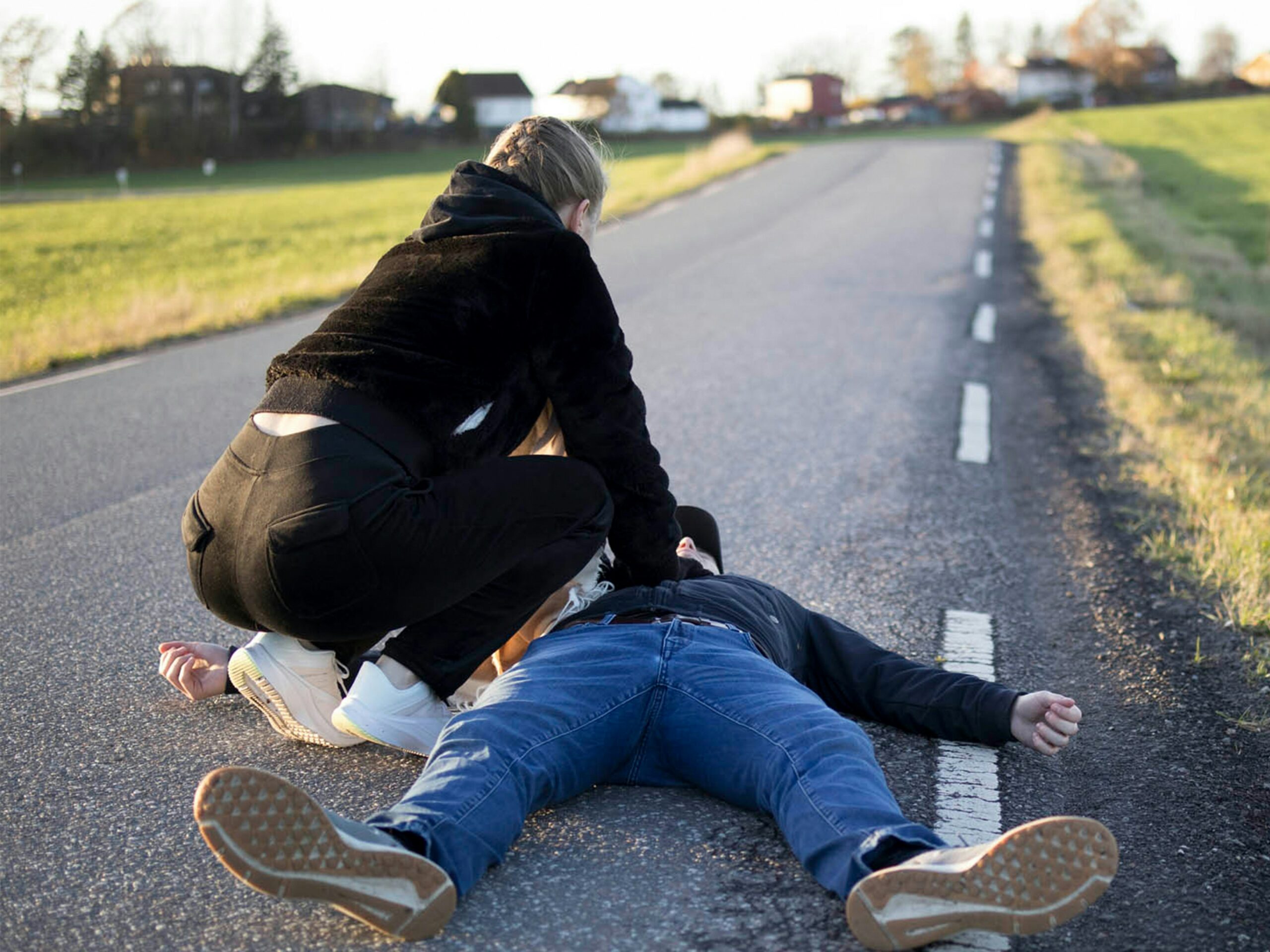
Seizures: Your Complete First Aid Guide for Recognition and Response
Seizures happen when there is a sudden surge of abnormal electrical activity in the brain. They can look very different from person to person—from brief staring spells to full-body shaking—and may be caused by epilepsy, head injuries, high fever, metabolic issues, or medication changes. Knowing what you’re seeing and how to respond calmly can prevent injury, protect breathing, and improve outcomes until the person fully recovers or emergency help arrives.
At Work Readiness Center, an Official American Heart Association (AHA) Training Center serving Cumming, GA and the greater Atlanta metro area, we teach practical, scenario-based seizure first aid. Our courses cover recognizing generalized versus focal seizures, creating a safe scene, airway positioning, the post-ictal phase, timing and documentation, and when to use rescue medications or call 911 based on current guidelines and workplace policies.
Understanding Seizures: Types and Common Presentations
Identifying the seizure type helps guide safe, effective first aid and communication with clinicians.
Generalized Tonic-Clonic Seizures
These involve the whole brain and typically include a tonic phase (stiffening) followed by a clonic phase (rhythmic jerking). Common features include:
- Sudden loss of awareness and collapse
- Stiffening, then full-body shaking
- Possible noisy breathing, drooling, or cyanosis around lips
- Confusion, headache, or fatigue afterward (post-ictal phase)
Focal (Partial) Seizures
Focal seizures start in one area of the brain and may or may not affect awareness. They can appear subtle yet still require protection from hazards.
Absence and Other Generalized Seizures
Absence seizures present as brief staring with quick return to baseline, often missed without careful observation and timing.
Auras and Triggers
An aura can precede a seizure and may include unusual sensations, smells, or visual changes. Triggers vary and can include missed medication, lack of sleep, stress, flashing lights, or illness.
Post-Ictal Phase
After a seizure, the person may be confused, sleepy, or have a headache or muscle soreness. Supportive care and reassurance are essential during this period.
Recognizing Severity: When a Seizure Is an Emergency
Not every seizure requires 911, but certain features demand immediate action.
Prolonged Seizure (Status Concern)
A seizure lasting 5 minutes or longer, or repeated seizures without full recovery in between, is a medical emergency known as status epilepticus.
- Continuous convulsions or back-to-back events
- Worsening breathing or blue discoloration
- No return to normal responsiveness
- Time from onset to cessation exceeds 5 minutes
Examples: A person who continues tonic-clonic activity past 5 minutes; repeated focal seizures without regaining awareness.
First-Time or Unknown Cause
Call emergency services for a first-known seizure or when the person is pregnant, has diabetes, or has a suspected head injury associated with the event.
- New-onset seizure with no known history
- Seizure following a fall or possible head trauma
- Seizure in water or hazardous environment
- If rescue medication is indicated but unavailable or ineffective
Examples: Collapse with convulsions during exercise; prolonged confusion without prior epilepsy diagnosis.
Breathing or Airway Compromise
If the person is not breathing normally after the seizure stops, begin appropriate life support actions per training and call 911 immediately.
Step-by-Step First Aid for Seizures
Effective seizure first aid focuses on safety, airway protection, and calm monitoring until recovery or EMS arrival.
Step 1: Ensure Scene Safety and Protect from Injury
Your first priority is to keep the person safe without restraining them.
- Clear hazards: Move furniture, tools, or hot/sharp objects away. Cushion the head with a soft item.
- Do not restrain movements: Let the seizure run its course while preventing injury.
- Nothing in the mouth: Do not place objects or fingers in the mouth; this can cause harm and does not prevent biting the tongue.
- Glasses and tight items: Remove eyeglasses and loosen ties, scarves, or restrictive clothing.
Step 2: Protect the Airway and Position Safely
Airflow and positioning reduce aspiration risk during and after the seizure.
- As convulsions ease, roll to the lateral recovery position to keep the airway clear and allow saliva or vomit to drain.
- Support the head and neck with padding; keep the chin slightly down to maintain airway patency.
- Do not give food, drink, or medication by mouth during or immediately after the event.
- If trained and available, provide oxygen per workplace protocol for cyanosis or respiratory distress after the seizure stops.
- For seizures in a chair or wheelchair, secure the chair, support the head, and if safe, tilt to side for airway protection.
Important: Never force the mouth open and avoid hard objects near the teeth or tongue.
Step 3: Time and Observe
Accurate timing and details help clinicians optimize care.
- Start timing at onset (first abnormal movement or loss of awareness) and note when activity stops.
- Observe features: body part involved first, type of movement, skin color, breathing changes, incontinence, injuries, and possible triggers (missed meds, lights, stress).
- Note responsiveness during and after, including any aura or post-ictal confusion.
Step 4: Rescue Medications (If Authorized)
Follow the individual’s seizure action plan and your workplace policy.
- Administer prescribed rescue medication (e.g., diazepam rectal gel, midazolam nasal spray) when criteria are met—commonly at 5 minutes of convulsions or per written orders.
- Use the correct route and dose, verify patient identity, and document time given and response.
- Continue monitoring breathing and level of responsiveness; be prepared to activate EMS.
Step 5: Post-Ictal Care and Reassurance
- Keep in recovery position until fully awake and breathing is normal.
- Provide privacy and calm reassurance; expect confusion, headache, or fatigue.
- Check for injuries to the head, tongue, or from a fall. Consider brief cross-references like Head Injuries if trauma is suspected.
- Encourage rest and avoid offering food or drink until alert and swallow is normal.
When to Seek Emergency Medical Care for Seizures
Most seizures end on their own, but some require urgent medical care. Call 911 immediately if any of the following occur:
The Seizure Is Severe or Prolonged
- Status epilepticus (a seizure lasting 5 minutes or more, or repeated seizures without full recovery between events)
- First-known seizure in a person with no prior history of seizures
- Multiple seizures in a row or a second seizure beginning before the person wakes and regains awareness
The Seizure Involves High-Risk Situations
- Seizure in water, at height, or involving machinery (drowning or traumatic injury risk)
- Head injury before or during the seizure (consider concurrent evaluation for concussion or other injury)
The Person Has Concerning Symptoms
- Breathing problems or bluish color that do not improve promptly after the seizure stops
- Persistent confusion or unresponsiveness well beyond the typical post-ictal period
- Serious injury such as a deep cut, suspected fracture, or uncontrollable bleeding
The Person Is at Higher Risk
- Infants, young children, or older adults
- Pregnant individuals (risk of eclampsia and fetal distress)
- People with chronic medical conditions (e.g., heart or lung disease, recent brain surgery, immunosuppression)
- Known diabetes with suspected low blood sugar as a trigger (briefly consider diabetic emergencies)
The Seizure Shows Red Flags
- Atypical pattern compared with the person’s usual seizures (longer, different movements, new focal signs)
- Fever, stiff neck, severe headache, or recent illness along with the seizure
- Failure to return to baseline or worsening agitation after initial care
Special Considerations for Workplace Seizures
Seizures in occupational environments demand rapid safety actions to prevent secondary injury.
- Make the area safe by clearing furniture, tools, or hazards; cushion the head and remove tight neckwear.
- Protect the airway by gently turning the person onto their side as soon as jerking stops or if there is vomiting or drooling.
- Do not place anything in the mouth and do not restrain movements; time the event with a watch or phone.
- Follow site emergency plans including prompt notification of the supervisor and activating EMS when criteria are met.
- If prescribed rescue medication is available and you are trained and authorized, administer per the person’s seizure action plan.
- Document observations (start/stop times, type of movements, triggers, recovery) to share with clinicians.
Workplace Seizure Safety and OSHA-Aligned Readiness
In many jobs—manufacturing, logistics, food service, education, and public venues—seizures can occur unexpectedly. Employers should:
- Develop a seizure response plan and train staff to create a safe space, protect the head, and position the airway
- Ensure rapid access to first aid supplies, disposable gloves, and a way to time and document events
- Train employees on recognizing generalized vs focal seizures and when to call 911
- Maintain clear procedures for administering authorized rescue meds per individual seizure action plans
Work Readiness Center’s first aid courses include seizure recognition and response skills aligned with OSHA’s expectations for a safe and healthful workplace.
Preventing Seizure-Related Injuries: Safety Tips
While seizures aren’t always preventable, injury during an event often is. Reduce risk by:
- Identifying and reducing potential triggers (missed medication, sleep deprivation, flashing lights for photosensitive individuals)
- Keeping walkways clear and padding sharp edges where feasible in high-traffic areas
- Establishing buddy systems and communicating known seizure action plans to designated responders
- Using appropriate safeguards near water, heights, hot surfaces, or machinery
- Encouraging adherence to prescribed medications and regular medical follow-up
- Posting quick-reference steps: time the seizure, protect the head, turn on side after convulsions, stay until recovery
Learn Seizure First Aid with Work Readiness Center
At Work Readiness Center, our training emphasizes practical skills to respond confidently to seizures. You’ll learn to:
- Differentiate generalized tonic-clonic, focal impaired-awareness, and absence seizures
- Make the scene safe, protect the airway, and position laterally without forcing the mouth open
- Time seizures, recognize the post-ictal phase, and provide calm aftercare
- Follow workplace protocols, including when to administer rescue medications and when to activate EMS
- Document observations clinicians need: triggers, aura, start/stop times, injuries, and return-to-baseline status
Serving Cumming, GA and the greater Atlanta area—including Alpharetta, Duluth, Lawrenceville, Marietta, and beyond—we offer flexible scheduling, onsite group training, and immediate certification upon completion.
Ready to Master Seizure First Aid?
Call 770-878-3175 or email workreadinesscenterinc@outlook.com to schedule your first aid class today. Our courses run 7 days a week, with blended learning options and hands-on skills sessions designed for real-world readiness.