
Healthcare Provider Requirements: Credentials, Competencies, and Employer Expectations
Understand which healthcare roles require BLS certification, what competencies employers verify, and how to stay compliant with current guidelines. Train with Work Readiness Center in Atlanta for credentials that meet real-world clinical standards.
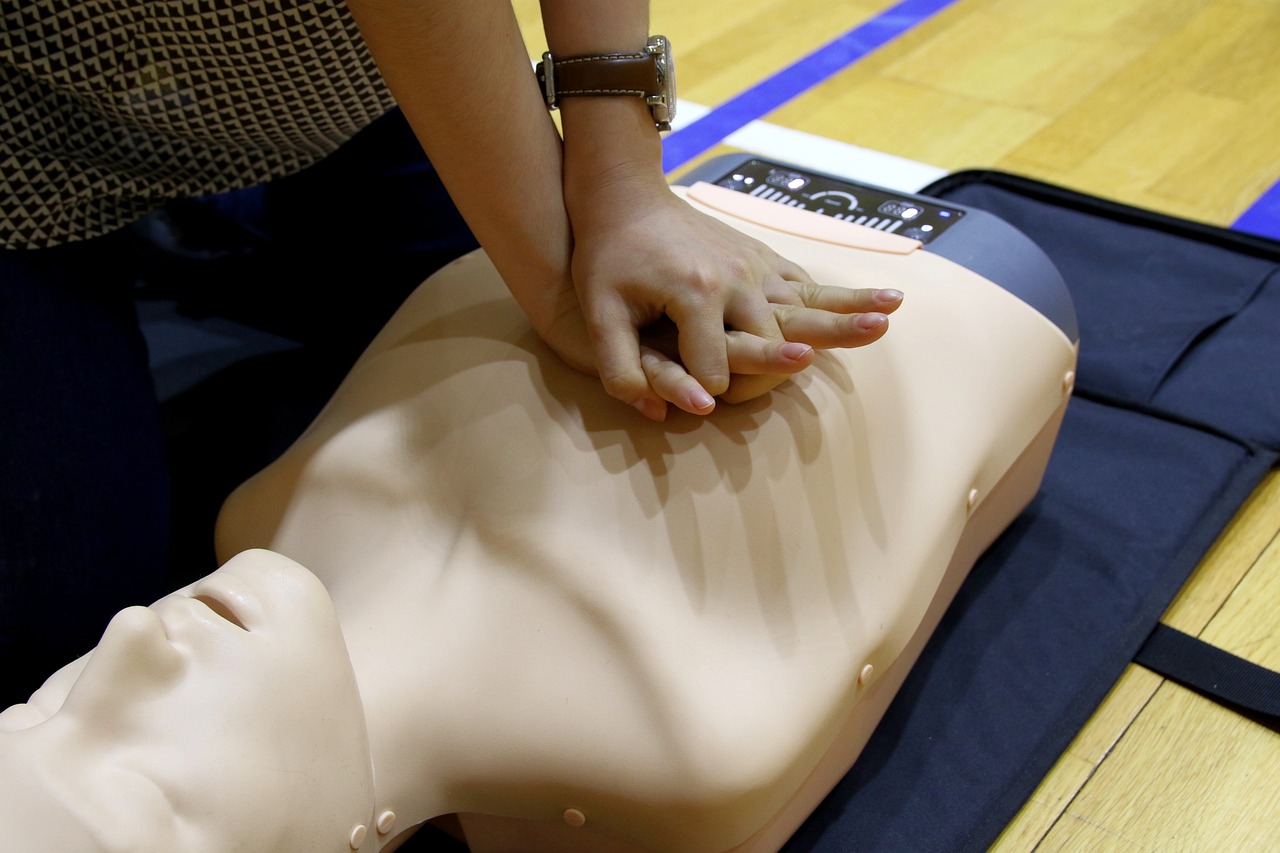
What Employers Expect from Healthcare Providers
Healthcare provider requirements outline the minimum credentials and competencies needed to deliver safe patient care. For many regulated roles, Basic Life Support (BLS) certification aligned to the latest American Heart Association (AHA) Guidelines is non-negotiable. Employers use these standards to confirm you can recognize deterioration, initiate life-saving actions, and work effectively on interprofessional teams.
As an Official American Heart Association (AHA) Training Center serving Cumming, GA and the greater Atlanta metro area, Work Readiness Center prepares providers to meet employer and accreditation expectations through scenario-based training, hands-on skills validation, and documentation support. Whether you practice in an acute care hospital, outpatient clinic, dental office, or EMS agency, our programs help you satisfy credentialing and competency requirements with confidence.
Defining Healthcare Provider Requirements
Healthcare provider requirements are the combined set of certifications, skills, and verifications mandated by employers, regulators, and accrediting bodies before you can work in patient-care areas. These requirements protect patients and reduce organizational risk by ensuring every clinician can respond appropriately to emergencies.
Core components typically include:
- Active BLS certification aligned to the most current AHA Guidelines
- Competency validation for high-quality compressions, ventilation support, and use of AEDs
- Scope-of-practice alignment based on your role and clinical environment
- Documentation and verification for HR onboarding, credentialing files, and audits
- Ongoing renewal cycles to maintain compliance with guideline updates
Employers emphasize skills performance, not just card possession—expect focused evaluation on minimizing interruptions, correct compression depth and rate, and rapid defibrillation when indicated.
Roles That Commonly Require BLS Certification
While organizational policies vary, the following roles are frequently mandated to hold current BLS certification as a condition of hire and ongoing employment:
Registered Nurses and Licensed Practical/Vocational Nurses
- Required for bedside care in med-surg, ICU, ED, perioperative, and telemetry units
- Demonstrate rapid recognition of cardiac and respiratory compromise and initiation of BLS
- Often integrated with annual skills fairs and unit-based competency check-offs
Prehospital and Emergency Personnel (EMTs, Paramedics, ER Techs)
- Mandated for field response and emergency department support roles
- Competency includes high-quality compressions in confined or moving environments and swift AED use
Medical Assistants and Clinical Technicians
- Commonly required in primary care, specialty clinics, and ambulatory surgery centers
- Focus on early recognition, rapid activation of the response team, and AED readiness
Dental Teams and Allied Health Professionals
- Dentists, dental hygienists, therapists, PT/OT/SLP, radiology techs, and pharmacists in patient-facing settings
- Expectations include preparedness for sedation-related events and emergencies in outpatient spaces
Pediatric vs. Adult Care Settings
- Pediatric environments require competence in infant/child assessment, compression depths, and ventilation volumes
- Adult-focused units prioritize adult arrest rhythms and defibrillation timing while maintaining universal BLS standards
Healthcare Roles That Commonly Require BLS
Many clinical positions list Basic Life Support (BLS) as a condition of hire and ongoing employment because it underpins safe patient care across settings.
Roles where BLS is typically mandatory:
- Registered Nurses (RNs) and LPN/LVNs: In hospitals, clinics, and surgical centers, BLS is part of credentialing and unit-based competency.
- Emergency Medical Technicians (EMTs): Field response requires current BLS aligned with national guidelines.
- Medical Assistants and Technicians: MAs, monitor techs, radiology, lab, and sleep techs often need BLS for patient-facing duties.
- Allied Health in ambulatory care: PT/OT/SLP, dental teams, and urgent care staff are frequently required to maintain active BLS.
- Students and residents: Clinical rotations typically mandate proof of current BLS before site access.
- Physicians, NPs, PAs: Outpatient and inpatient privileging commonly includes BLS or higher-level resuscitation credentials.
What employers verify:
- Issuing body and course type (BLS for Healthcare Providers or equivalent).
- Issue and expiration dates aligned to current guideline cycle.
- Completion of a hands-on skills component.
- Identity match and authenticity via eCard or registry lookup.
- Facility or health system acceptance of the provider.
Competency Expectations in Clinical Settings
Beyond holding a card, organizations evaluate whether staff can apply BLS reliably under real-world conditions.
Typical competency elements:
- Skill proficiency: Ability to initiate compressions, ventilate appropriately, and operate an AED within scope.
- Role clarity:
- Single responder: Recognize arrest, activate help, start high-quality CPR promptly.
- Team response: Communicate clearly, rotate compressors, and follow unit protocols.
- Policy adherence:
- Adult settings: Follow adult response procedures and equipment workflows.
- Pediatric-capable areas: Know pad selection, equipment sizes, and escalation paths for children and infants.
- Time standards: Minimize delays, maintain compression fraction, and document accurately in the record.
Verification methods:
- Annual or biannual skills validation by educators or preceptors.
- Simulation drills and code reviews to confirm readiness.
- Checklist sign-offs linked to unit orientation and ongoing competencies.
Accreditation, Employer Acceptance, and Guideline Alignment
Healthcare employers and regulators expect BLS training to align with current national resuscitation guidelines and to be accepted by the facility’s accrediting and credentialing bodies.
- Accreditation fit: Facilities surveyed by bodies like The Joint Commission or DNV typically require BLS from nationally recognized organizations with validated skills assessments.
- Employer acceptance: HR, medical staff services, and education departments maintain approved-course lists; always confirm your course meets your facility’s policy.
- Guideline updates: When guideline cycles update, employers may establish transition timelines; staff are expected to train or renew under the most current standard.
- Scope and privileging: Regulated roles must hold active BLS before being scheduled for patient care or granted clinical privileges.
These controls protect patients, support survey readiness, and standardize response expectations across departments.
Pediatric vs. Adult Care Expectations
Requirements can differ based on patient population served. Employers often specify additional pediatric-readiness elements for units that see children.
- Adult-only units: Staff maintain adult BLS competency and are oriented to adult equipment and response pathways.
- Mixed or pediatric-capable areas: Teams demonstrate familiarity with pediatric equipment (e.g., pediatric AED pads), weight-based considerations, and escalation protocols.
- Documentation: Competency records clearly note whether providers are validated for adult, pediatric, or both populations.
- Education cadence: Units with pediatric exposure may add scenario-based refreshers between renewal cycles.
Training Options and Skills Verification with Work Readiness Center
Work Readiness Center offers flexible training modes that satisfy most employer and regulatory requirements while accommodating complex schedules.
- In-person BLS classes with hands-on assessment
- Hybrid courses combining online learning with an in-person skills check
- Onsite group sessions aligned to facility policies and equipment
- Guidance on employer acceptance and documentation standards
Serving Cumming, GA and the greater Atlanta area—including Alpharetta, Duluth, Lawrenceville, Marietta, and beyond—we offer flexible scheduling, onsite group training, and immediate AHA eCard issuance upon successful completion.
Maintain Compliance and Avoid Lapses
Call 770-878-3175 or email us to schedule your BLS class today. Our courses run 7 days a week, with blended learning options and hands-on skills sessions designed for healthcare professionals.