
Airway Management: Foundational Skills for Adult, Child, and Infant Patients
Build confident, hands-on airway skills for all ages. Learn current best practices with Work Readiness Center—train and get certified in Atlanta today!
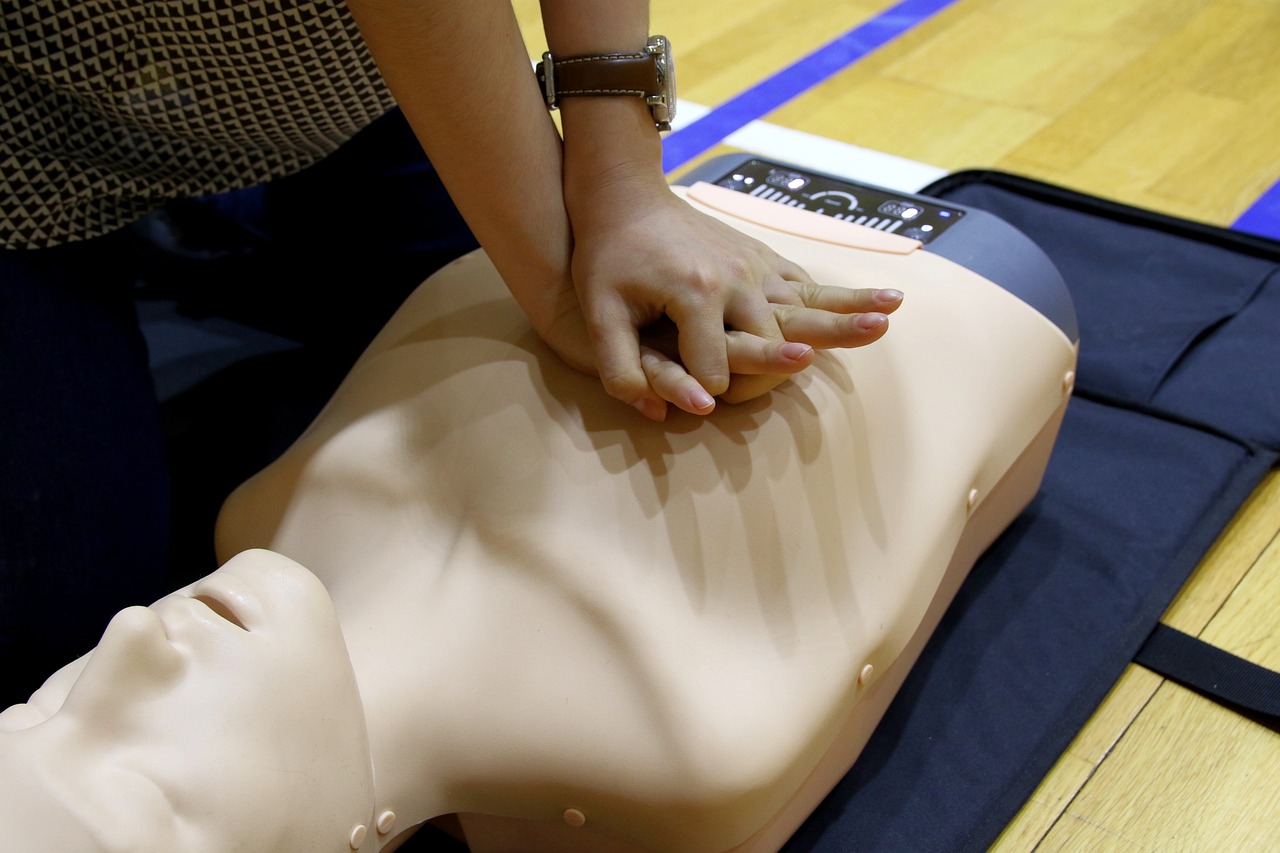
Airway Management: Essential Steps for Maintaining Patency and Effective Ventilation
Airway management is the cornerstone of basic life support, guiding responders through rapid assessment, airway opening, and safe ventilation. Grounded in current American Heart Association recommendations, these practices help BLS-level providers keep the airway clear, deliver effective breaths, and prevent complications while advanced care is on the way.
At Work Readiness Center, an Official American Heart Association (AHA) Training Center serving Cumming, GA and the greater Atlanta metro area, we teach airway techniques through scenario-based drills using manikins, barrier devices, and bag-valve-mask (BVM) equipment. Whether you’re assisting an adult on a medical floor, a child in an outpatient clinic, or an infant in the community, mastering airway skills protects your patient and supports your team’s response.
What Is Airway Management?
Airway management is the systematic approach to keeping the airway open and moving air effectively into the lungs. For BLS providers, the focus is clear: assess breathing, open the airway, use appropriate devices, and ventilate at the proper rate—all while minimizing interruptions and avoiding gastric inflation.
Core airway management components include:
- Initial airway and breathing assessment
- Head-tilt chin-lift or jaw-thrust for opening the airway
- Use of barrier devices and pocket masks for rescue breaths
- Bag-valve-mask seal techniques and correct ventilation rates
- Patient positioning and aspiration/gastric inflation prevention
- Relief of choking for adults, children, and infants
Current guidance emphasizes visible chest rise with each breath, avoiding excessive ventilation, and adapting technique for special situations such as suspected trauma or opioid overdose.
Step-by-Step Airway Management for Adults
These BLS-level steps help you recognize airway compromise early and deliver effective ventilation for an unresponsive adult with absent or inadequate breathing.
Step 1: Rapid Airway and Breathing Assessment
- Confirm the scene is safe and put on appropriate PPE.
- Check responsiveness and look for normal chest rise, listening and feeling for airflow for up to 10 seconds.
- If the patient is not breathing or only gasping, prepare to open the airway and ventilate.
Step 2: Open the Airway
- Use the head-tilt chin-lift to relieve tongue obstruction in patients without suspected trauma.
- If trauma is suspected, use the jaw-thrust without head extension to protect the cervical spine.
Step 3: Deliver Rescue Breaths with a Barrier Device
- Seal a pocket mask over the mouth and nose; maintain an E-C hand position to ensure a tight fit.
- Give 2 slow, steady breaths (about 1 second each), watching for visible chest rise.
- If the chest does not rise, reposition and attempt again; avoid excessive volume or force.
Step 4: Bag-Valve-Mask (BVM) Ventilation
- Use a two-rescuer technique when possible: one rescuer maintains a two-hand mask seal while the other squeezes the bag.
- Deliver one breath every 6 seconds (about 10 breaths per minute) when an advanced airway is not present, ensuring gentle, visible chest rise.
- Continuously monitor for air leak, poor rise, or gastric distention and correct mask position or airway technique as needed.
Step 5: Optimize Positioning and Prevent Complications
- Use the sniffing position when appropriate; consider ramped positioning for obese patients to align the ear with the sternal notch.
- Apply only the volume needed for chest rise to reduce the risk of gastric inflation and aspiration.
- If vomiting occurs, turn the patient to the side when safe and clear the airway before resuming ventilation.
Step 6: Special Considerations and Ongoing Care
- For suspected opioid overdose with inadequate breathing, prioritize ventilation and consider administration of an opioid antagonist per local protocol.
- In trauma, maintain spinal precautions and use the jaw-thrust; avoid hyperextension.
- Reassess airway patency, breathing quality, and effectiveness of each breath while coordinating with the team for additional interventions as available.
Pediatric Airway Management (Ages 1 Year to Puberty)
Managing the airway in children requires techniques adapted to smaller anatomy and higher oxygen needs. BLS-level responders should focus on opening the airway safely, assessing breathing quickly, and delivering effective ventilations without causing gastric inflation.
Core Pediatric Considerations:
- Airway Opening: Use a gentle head-tilt chin-lift for non-trauma; choose a jaw-thrust without head tilt if trauma is suspected.
- Ventilation Technique: Provide rescue breaths with a barrier device or pocket mask, ensuring visible chest rise with each breath.
- BVM Use: Select a child-sized mask, create a tight seal with the “E-C” clamp, and deliver 1 breath every 2–3 seconds during respiratory arrest.
- Single rescuer: Prioritize pocket mask breaths if a good BVM seal is difficult.
- Two rescuers: One maintains the seal and airway, the other squeezes the bag.
- Pulse and Breathing Check: Assess for normal breathing and a carotid or femoral pulse simultaneously for no more than 10 seconds.
Stepwise Approach:
- Ensure the scene is safe; assess responsiveness and airway patency.
- Call for help and retrieve airway equipment and AED.
- Look, listen, and feel for breathing while checking a pulse (max 10 seconds).
- Open the airway and deliver rescue breaths with a barrier device or BVM; add compressions if no pulse or poor perfusion with heart rate <60 bpm.
- If ventilation is inadequate, reposition the head, readjust the mask seal, and consider an oropharyngeal airway if trained and tolerated.
- Continue ventilations and monitoring until the child breathes effectively or advanced care takes over.
Infant Airway Management (Under 1 Year)
Infants are prone to airway obstruction due to a larger tongue and softer airway structures. Gentle technique, correct head positioning, and precise ventilation are essential to avoid barotrauma and stomach inflation.
Key Infant Techniques:
- Head Position: Achieve the “sniffing” position with a slight head tilt; avoid overextension.
- Airway Support:
- Jaw support: Use a jaw-thrust if trauma is suspected, maintaining neutral alignment.
- Oropharyngeal airway: Consider only if trained and no gag; size from mouth corner to earlobe.
- Ventilation:
- Barrier device: Use an infant pocket mask covering mouth and nose; deliver gentle breaths just to see chest rise.
- BVM: Use an infant bag and mask; one rescuer holds the seal while the other squeezes the bag for best results.
- Pulse and Breathing Check: Assess breathing and the brachial pulse for no more than 10 seconds.
Stepwise Approach:
- Verify scene safety; check responsiveness by tapping the foot and calling out.
- Activate emergency response:
- If witnessed apnea: Call 911, get the BVM/pocket mask and AED, then begin ventilations.
- If unwitnessed: Provide about 2 minutes of care (ventilations and compressions if indicated) before leaving to activate EMS and get equipment.
- Open the airway to the sniffing position and check for effective breathing and brachial pulse (max 10 seconds).
- Provide gentle rescue breaths with a proper seal; reassess chest rise and adjust positioning if needed.
- Use the AED when available if the infant becomes pulseless; continue airway support and reassessment.
- Maintain effective ventilation and monitoring until spontaneous breathing returns or advanced providers assume care.
2025 AHA Guidance Highlights for Airway and Ventilation
The 2025 AHA updates reinforce practical airway strategies for first responders, emphasizing simple, effective techniques that reduce complications and improve oxygenation.
- Prioritize basic airway maneuvers: Favor head-tilt chin-lift or jaw-thrust before advanced adjuncts; reassess after every intervention.
- Clarity on ventilation targets: Deliver breaths just until chest rise, avoiding hyperventilation and excessive pressure.
- BVM best practices: Encourage two-rescuer BVM when possible for a better seal and tidal volume control.
- Streamlined prompts and teamwork: Clear role assignment for seal, bag squeeze, and monitoring improves ventilation quality during resuscitation.
These refinements support consistent training and help rescuers provide safer, more reliable oxygen delivery across age groups.
Common Airway Management Errors to Avoid
In urgent situations, small mistakes can severely limit ventilation effectiveness. Steer clear of these pitfalls:
- Poor head position: Overextension in infants or inadequate tilt in older patients reduces airflow; aim for neutral/sniffing alignment.
- Leaky mask seal: Air escapes around the mask; readjust to the nasal bridge and chin, use the “E-C” clamp, and consider two-rescuer BVM.
- Over-ventilating: Fast or forceful breaths cause gastric inflation and regurgitation; give 1-second breaths with visible chest rise only.
- Skipping airway reassessment: Failing to recheck chest rise, sounds, and compliance after each change delays effective care.
- Ineffective choking relief: Use age-appropriate techniques—abdominal thrusts for responsive adults/children; back slaps and chest thrusts for infants.
Practice Airway Skills with Work Readiness Center
At Work Readiness Center, our hands-on training focuses on foundational airway management for adults, children, and infants using AHA-aligned manikins and equipment. You will:
- Assess airway and breathing rapidly and accurately
- Master head-tilt chin-lift and jaw-thrust techniques
- Use barrier devices, pocket masks, and two-rescuer BVM effectively
- Prevent gastric inflation through proper rate, volume, and positioning
Serving Cumming, GA and the greater Atlanta area—including Alpharetta, Duluth, Lawrenceville, Marietta, and beyond—we offer flexible scheduling, onsite group training, and immediate AHA eCard issuance upon successful completion.
Ready to Build Confident Airway Skills?
Call 770-878-3175 or emailausa0to book your Airway Management session with Work Readiness. Courses run 7 days a week with blended learning and hands-on practice designed for BLS-level responders and healthcare professionals.