
AED Integration: Seamless Defibrillation from First Recognition to Shock Delivery
Learn how to integrate AED use into every link of the chain of survival—recognition, activation, analysis, and shock. Train with Work Readiness Center and build real-world confidence in Atlanta today.
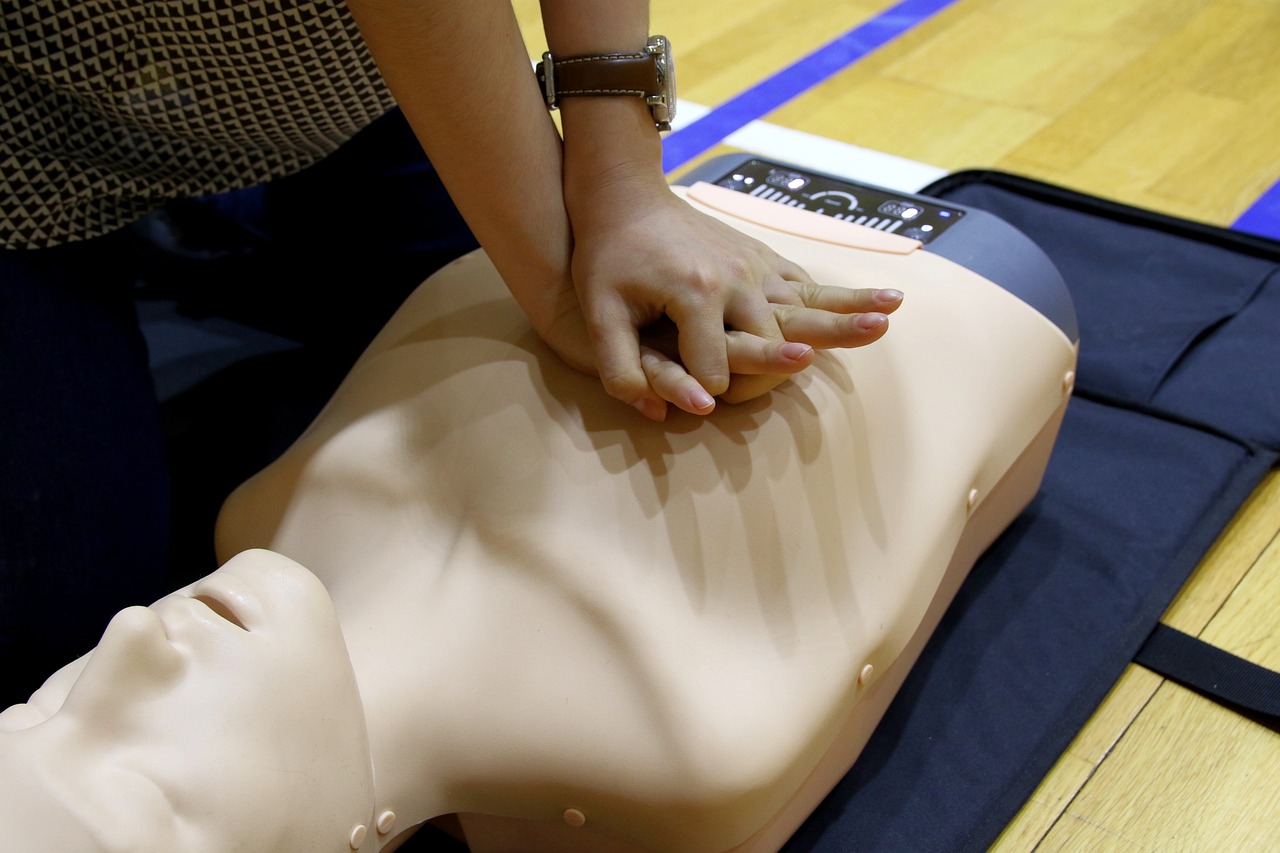
AED Integration: A Practical Guide for Adult, Child, and Infant Emergencies
AED integration means more than owning a device—it’s the disciplined process of recognizing cardiac arrest quickly, calling for help and an AED, placing pads correctly, analyzing rhythm safely, and coordinating shocks with ongoing compressions. Grounded in the 2025 American Heart Association (AHA) science, effective AED workflows reduce hands-off time and speed defibrillation for shockable rhythms like ventricular fibrillation.
At Work Readiness Center, an Official American Heart Association (AHA) Training Center serving Cumming, GA and the greater Atlanta metro area, we teach end-to-end AED integration through scenario-based drills that mirror public access and in-facility responses. Learners practice rapid recognition, adult and pediatric pad placement, rhythm analysis safeguards, and immediate CPR resumption—skills that translate to safer, faster care across workplaces, clinics, and community settings.
What Does AED Integration Involve?
AED integration is the stepwise incorporation of defibrillation into the cardiac arrest response so that assessment, compressions, and shocks occur with minimal delay. The goal is to deliver the first shock as soon as a shockable rhythm is detected and to keep high-quality compressions going before and after analysis.
Core components of AED integration include:
- Immediate recognition and call for an AED
- Activation of emergency response (911 or in-facility code)
- Rapid pad placement—adult and pediatric configurations
- Safe rhythm analysis with clear verbal cues
- Coordinated shock delivery with minimal pause in compressions
- Prompt CPR resumption and repeat analyses every 2 minutes
The 2025 AHA guidance stresses short pre- and post-shock pauses, correct pad placement, and early AED use as critical links in survival.
AED Integration in Practice: From Recognition to First Shock
Effective AED use starts the moment you suspect cardiac arrest. Follow this streamlined approach to blend AED actions with CPR for an adult victim:
Step 1: Recognize Arrest and Call for the AED Immediately
- Confirm the scene is safe and assess responsiveness and breathing.
- Shout for help; direct a specific person to call 911 and bring the nearest AED now.
- Begin compressions if there is no normal breathing or pulse while the AED is on the way.
Step 2: Power On the AED and Expose the Chest
- Turn on the AED as soon as it arrives—most units provide step-by-step voice prompts.
- Expose and dry the chest; shave or move hair if pads won’t adhere; remove medication patches and wipe residue.
Step 3: Place Pads Correctly (Adult and Pediatric)
- Adult pads: right upper chest (below clavicle) and left lateral chest (below armpit).
- For pediatric patients or small children, use pediatric pads if available; place anteroposteriorly (front-center chest and mid-back) if pads risk touching.
Step 4: Analyze Rhythm and Maintain Safety
- Follow the AED prompt: say “Clear—no one touching” and visually confirm before analysis.
- Do not touch the patient during analysis; ensure oxygen sources and metal contact are managed per device guidance.
Step 5: Deliver Shock and Minimize Hands-Off Time
- If the AED advises a shock, loudly state “Clear!” and confirm the patient and bed are not being touched.
- Press the shock button (or allow the unit to auto-shock if equipped), then immediately resume compressions.
Step 6: Resume CPR and Repeat Cycles
- Continue high-quality compressions with a 30:2 ratio for single rescuer unless advanced airway is in place.
- Allow the AED to reanalyze about every 2 minutes; follow prompts while keeping pauses under 10 seconds.
- Stop only if the scene becomes unsafe, the victim shows signs of life, or advanced help takes over.
Pediatric AED Integration: From Recognition to Shock
Integrating an AED during pediatric cardiac arrest requires fast recognition, age-appropriate pad selection, and coordinated actions that protect compressions while preparing for defibrillation.
Key Considerations for Children:
- Call for an AED early: Send a bystander the moment unresponsiveness and abnormal or no breathing are identified.
- Pad choice and size: Use pediatric pads when available; they deliver a child-appropriate energy dose.
- Pad placement:
- Standard placement: One pad on the upper right chest, the other on the lower left side.
- Anteroposterior (front–back): If pads risk touching on a small chest, place one pad centered on the chest and the other between the shoulder blades.
- Safety cues: Follow the AED prompts, keep hands off during analysis, and loudly say “clear” before a shock.
Workflow:
- Confirm unresponsiveness and abnormal or no breathing; shout for help and send for an AED.
- Call 911 or activate your emergency plan; retrieve and power on the AED immediately.
- Begin compressions while the AED is being brought to the scene.
- Apply pediatric pads promptly; switch to front–back placement if pads might touch.
- Stop compressions only when the AED instructs; clear the child for analysis and, if advised, deliver the shock.
- Resume compressions immediately after the shock or “no shock advised,” and continue cycles until advanced care arrives.
Infant AED Integration: Special Steps for Under 1 Year
AED use in infants is safe when performed correctly. Energy-attenuated pads and careful placement help deliver effective defibrillation while protecting delicate anatomy.
Key Considerations for Infants:
- Use pediatric-attenuated pads: Prioritize pediatric pads or a device with pediatric mode to reduce shock energy.
- Pad placement:
- Anteroposterior (front–back): Preferred for small chests to prevent pad overlap—front pad centered on the sternum, back pad between the shoulder blades.
- Alternative placement: If using adult pads due to unavailability, ensure they do not touch; adjust to front–back as needed.
- Hands-off analysis: Avoid any contact during rhythm analysis and before shock delivery.
Workflow:
- Check responsiveness and breathing; tap the foot and call out.
- Activate emergency response:
- If witnessed collapse: Call 911, get the AED immediately, and return to the infant.
- If unwitnessed: Perform about 2 minutes of CPR, then leave to call 911 and retrieve the AED.
- As soon as the AED arrives, power it on and follow prompts while compressions continue until analysis is requested.
- Apply pediatric pads; use front–back placement to avoid pad overlap on the small chest.
- Clear the infant when the AED says “analyzing” and before any shock; deliver the shock if advised.
- Resume compressions immediately after the shock or if no shock is advised, maintaining minimal pauses until help takes over.
2025 Guidance Highlights for AED Integration
Recent recommendations further streamline when and how to bring an AED into the chain of survival, emphasizing rapid activation, precise pad placement, and minimal pauses in compressions. Notable focus areas include:
- Relentless compression continuity: Keep hands on the chest except during AED analysis and shock delivery to preserve coronary perfusion.
- Intuitive device prompts: Follow clear voice and visual cues; power on first, then place pads as shown.
- Ventilation moderation: Provide just enough air for visible chest rise to reduce interruptions and avoid hyperventilation.
- Role clarity around the AED: Assign a compressor, an AED operator, and a safety lead who announces “clear” before analysis and shocks.
These refinements don’t overhaul AED use but sharpen the sequence and teamwork required to deliver timely, safe defibrillation with consistent performance.
Common AED Integration Errors to Avoid
Under stress, even seasoned responders can lose critical seconds. Prevent these pitfalls:
- Late AED arrival: Send for the AED at the first sign of cardiac arrest—do not wait for pulse confirmation if breathing is absent or abnormal.
- Prolonged pauses: Limit breaks in compressions to AED analysis and shocks; keep all other transitions under 10 seconds.
- Poor pad placement: Follow pad diagrams, avoid medication patches and implanted devices, and use front–back placement on small chests.
- Ignoring safety calls: Verbally and visually confirm no one is touching the patient before analysis and shock.
- Not resuming promptly: Start compressions immediately after any shock or “no shock advised” prompt.
Practice AED Integration with Work Readiness Center
At Work Readiness Center, hands-on scenarios build real-world confidence using public access AEDs alongside high-quality CPR. You will practice how to:
- Recognize arrest quickly and dispatch for an AED without delay
- Place adult and pediatric pads correctly, including front–back placement for small chests
- Coordinate analysis and shocks with minimal interruptions to compressions
- Troubleshoot common prompts, battery or pad errors, and environmental challenges
Serving Cumming, GA and the greater Atlanta area—including Alpharetta, Duluth, Lawrenceville, Marietta, and beyond—we offer flexible scheduling, onsite group training, and immediate AHA eCard issuance upon successful completion.
Ready to Master AED Integration?
Call 770-878-3175 or email us to schedule your AED-focused training today. Our courses run 7 days a week, with blended learning options and hands-on skills sessions designed to streamline shock delivery within the chain of survival.