
BLS vs CPR: Which Certification Do You Need?
Confused about BLS vs CPR? Learn the key differences, who each course is for, and how to choose the right certification with Work Readiness Center in Atlanta.
BLS vs CPR Explained: Clear Definitions and Real-World Differences
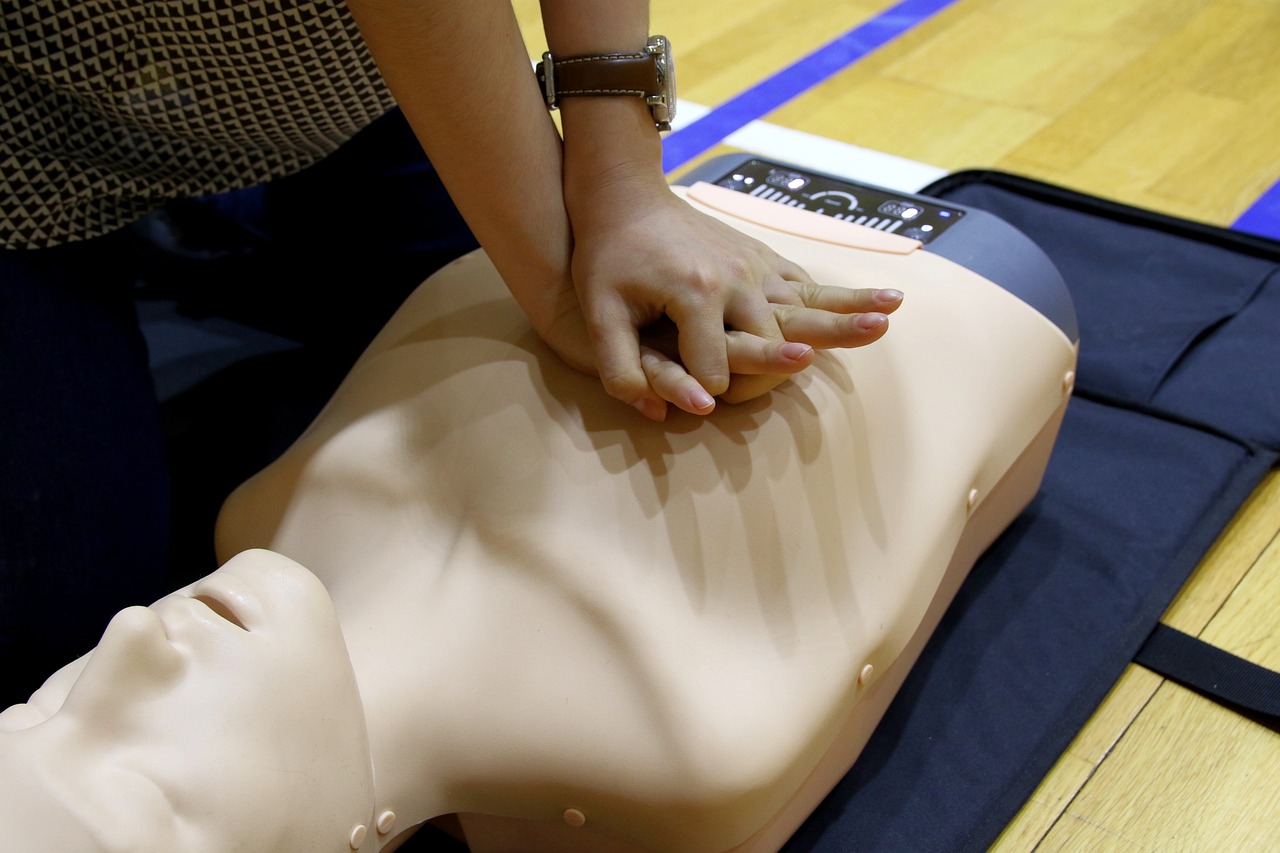
BLS (Basic Life Support) and CPR (Cardiopulmonary Resuscitation) are related but not identical. CPR refers to the core lifesaving technique of chest compressions and rescue breaths that anyone can learn to help a victim of cardiac arrest. BLS is a more comprehensive, healthcare-focused certification that includes high-performance CPR plus additional assessment, multi-rescuer coordination, bag-mask ventilation, and structured use of an AED in clinical and prehospital settings.
At Work Readiness Center, an Official American Heart Association (AHA) Training Center serving Cumming, GA and the greater Atlanta metro area, we teach both BLS for healthcare providers and CPR courses for the community. Our instructors emphasize practical, scenario-driven skills so you leave confident about what to do—whether you’re a clinician responding on a code team or a lay rescuer helping a family member at home.
What Do BLS and CPR Each Cover?
Layperson CPR courses focus on recognizing cardiac arrest, calling 911, delivering effective compressions, providing rescue breaths or Hands-Only CPR, and using an AED until help arrives. BLS expands on those foundations with deeper assessment, adult and pediatric considerations, one- and two-rescuer workflows, ventilation techniques, and team communication—skills expected in hospitals, clinics, dental offices, and EMS environments.
Key distinctions to understand include:
- Audience and setting: CPR is ideal for the public, teachers, coaches, and workplace responders; BLS is geared to healthcare and clinical teams.
- Depth of training: CPR centers on single-rescuer skills; BLS adds multi-rescuer sequences, pulse checks, and bag-mask ventilation.
- Team dynamics: BLS trains role assignment, leadership, and coordinated cycles to maintain compression quality and minimize pauses.
- Certification expectations: Many employers in healthcare require AHA-aligned BLS; community roles typically accept a CPR or Heartsaver credential.
Both align with current AHA science; BLS simply goes further to match the pace and precision needed in professional care settings.
Scope and Skills: Adult vs Pediatric, One-Rescuer vs Team Response
When comparing BLS vs CPR, scope is the biggest separator. CPR training for the public equips you to assist adults and often includes child and infant basics, emphasizing quick activation of 911, continuous compressions at the correct rate and depth, and early AED use. It keeps the sequence streamlined so lay rescuers can act fast without advanced equipment.
What You’ll Typically Learn in CPR (Lay Rescuer)
- How to recognize cardiac arrest and call for help.
- Hands-Only CPR for adults and conventional CPR with breaths as appropriate.
- Compression-to-ventilation basics and visible chest rise.
- Safe, prompt AED application and following device prompts.
What You’ll Typically Learn in BLS (Healthcare Focus)
- Adult, child, and infant assessment with pulse and breathing checks.
- One-rescuer and two-rescuer CPR, including role switching and timing.
- Use of barrier devices and bag-mask ventilation for effective rescue breaths.
- Coordinated team cycles, minimizing pauses, and rapid AED integration.
How This Plays Out in Practice
- Lay rescuers act quickly with a simple algorithm designed for high-stress public scenarios.
- Healthcare teams use BLS to deliver precise, shared responsibilities—ideal for clinics, dental suites, and hospital units.
- Both tracks teach AED use; BLS layers in team communication and more detailed pediatric adaptations.
Course Designed for:
- Doctor
- Dentist
- Nurse
- Dental Hygienist
- Medical Assistances
- EMTs
- Nurses
- CNA
- Physical Therapist
- Pharmacist
- EMT
- Medical Personnel
Any one that works in a Hospital.
Traditional Class
Length of Class: up to 2.5-3 hours
Includes: Adult Child and Infant training
Certification: American Heart Association Two Year Certification
Course Meets: Medical, State, Federal and OSHA Requirements
The American Heart Association (AHA) Heartsaver® certified BLS course is designed to teach students CPR for victims of all ages, use the automated external defibrillator (AED) and relief of choking. Instruction is given on recognition of life threatening emergencies and basic CPR techniques. It is designed for healthcare professionals and trained first responders who provide care to patients in a wide variety of settings, and teaches both single-rescuer and team basic life support skills for application in pre-hospital and in-facility settings. It is required for all medical personal and anyone desiring, or required, to obtain the advanced knowledge and skills taught at this level. Upon successful completion of skills demonstration, students will receive their BLS course completion card which is valid for two years.
BLS Healthcare Provider
- American Heart Association Two Year Certification Hands on Training eCard Fast Validation
BLS vs CPR for Children (Ages 1 Year to Puberty)
When comparing BLS vs CPR for school-age children, the core skills look similar, but BLS expects a deeper, team-ready response while layperson CPR focuses on rapid, simple actions.
How Training Differs for Children:
- Compression Depth: About 2 inches (5 cm), or one-third of the chest for both BLS and CPR; BLS emphasizes consistent depth over longer team cycles.
- Hand Placement: One or two hands in the center of the chest; BLS providers drill technique adjustments based on child size and team role.
- Compression-to-Breath Ratio:
- Single rescuer: 30:2 in both BLS and CPR for lay rescuers.
- Two rescuers: 15:2, highlighted in BLS because it prepares healthcare teams for coordinated care.
- Pulse Check: BLS includes a rapid carotid or femoral pulse check (no more than 10 seconds); lay CPR skips the pulse check and prioritizes compressions if unsure.
Typical Child Response Flow:
- Ensure the scene is safe and check responsiveness.
- Call for help and get an AED; BLS trains role assignment, while CPR training stresses quick activation of 911.
- Assess breathing and, for BLS, check a pulse within 10 seconds; lay CPR begins compressions if there is no normal breathing.
- Start compressions with correct depth and ratio; BLS coordinates ventilations between rescuers.
- Apply the AED as soon as it arrives (use pediatric pads if available; adult pads if needed).
- Continue care until help arrives; BLS emphasizes team transitions and minimizing pauses.
BLS vs CPR for Infants (Under 1 Year)
In infants, the distinction between BLS and CPR becomes even clearer: both teach life-saving compressions and breaths, but BLS prepares providers for clinical precision and two-rescuer teamwork.
What Changes for Infant Care:
- Compression Depth: About 1.5 inches (4 cm), or one-third of the chest, in both BLS and CPR.
- Hand Placement:
- Two-thumb encircling technique: Preferred in BLS for two-rescuer teams to deliver consistent depth and recoil.
- Two-finger technique: Common for single-rescuer CPR when you cannot encircle the chest.
- Compression-to-Breath Ratio:
- Single rescuer: 30:2 in both courses.
- Two rescuers: 15:2, a key BLS competency for coordinated infant resuscitation.
- Pulse Check: BLS includes a brachial pulse check in under 10 seconds; lay CPR prioritizes immediate compressions if no normal breathing is present.
Typical Infant Response Flow:
- Confirm scene safety and check for responsiveness (tap the foot, shout).
- Activate emergency response:
- If witnessed collapse: Call 911 and get an AED, then begin care.
- If unwitnessed collapse: Provide about 2 minutes of care before leaving to activate EMS and retrieve an AED.
- Assess breathing and, in BLS, check the brachial pulse within 10 seconds.
- Begin compressions and breaths using the correct technique and ratio.
- Use the AED promptly (pediatric pads preferred; adult pads may be used if not touching).
- Continue cycles until professional help takes over; BLS stresses smooth team role changes.
What Recent Guidelines Mean for BLS vs CPR
Updated guidance refines how BLS and layperson CPR are taught, emphasizing clearer recognition and streamlined actions. For readers deciding between BLS vs CPR, these refinements underscore the added depth of BLS without changing the core lifesaving steps.
- Quality metrics matter more: BLS trains tighter control of compression depth, rate, and recoil; CPR courses stress doing compressions hard and fast with minimal pauses.
- Clearer AED workflow: Both paths promote simple prompts that reduce hesitation; BLS integrates AED use within team roles.
- Smarter ventilation: Visible chest rise with avoidance of over-ventilation is emphasized; BLS adds timing and role coordination for two-rescuer care.
- Team clarity in BLS: Multi-rescuer communication and role assignment are reinforced in BLS; community CPR keeps the focus on the single rescuer.
No major algorithm overhauls separate the two, but BLS provides additional structure for clinical and team-based settings, while CPR remains streamlined for the public.
Frequent Mix-Ups When Comparing BLS and CPR
Choosing between BLS vs CPR can be confusing. Avoid these pitfalls so you select the right course and apply skills correctly:
- Assuming CPR equals BLS: CPR covers essential skills for lay rescuers; BLS adds pulse checks, two-rescuer coordination, and advanced decision-making for clinical teams.
- Interrupting compressions too often: In both tracks, keep pauses under 10 seconds during breaths, AED analysis, or checks.
- Miscalculating compression depth: Adults need at least 2 inches but not more than 2.4 inches; BLS reinforces consistency through feedback devices when available.
- Over-ventilating: Deliver a breath over 1 second with visible chest rise; BLS emphasizes coordinated timing to prevent excessive ventilation.
- Incorrect AED pad placement: Follow pad diagrams and avoid medication patches or implanted devices in both BLS and CPR.
Choose the Right Course with Work Readiness
At Work Readiness, we teach both BLS for healthcare teams and streamlined CPR for the public, so you can match your training to your role. In every course, learners practice adult, child, and infant care using AHA-aligned manikins and AED trainers. You will:
- Understand when BLS certification is required versus when CPR suffices
- Deliver high-quality compressions and safe, effective breaths
- Incorporate AED use confidently within the flow of care
- Experience one-rescuer practice in CPR and team coordination scenarios in BLS
Serving Cumming, GA and the greater Atlanta area—including Alpharetta, Duluth, Lawrenceville, Marietta, and beyond—we offer flexible scheduling, onsite group training, and immediate AHA eCard issuance upon successful completion.
Ready to Decide: BLS or CPR?
Call 770-878-3175 or email us to discuss which course fits your role and schedule. Classes run 7 days a week, with blended learning options and hands-on sessions for both community members and healthcare professionals.