
BLS Algorithms: Step-by-Step Protocols for Adult, Child, and Infant Cardiac Arrest
Master BLS algorithms for adult, child & infant cardiac arrest. Learn 2025 AHA guidelines with Work Readiness Center—get certified in Atlanta today!
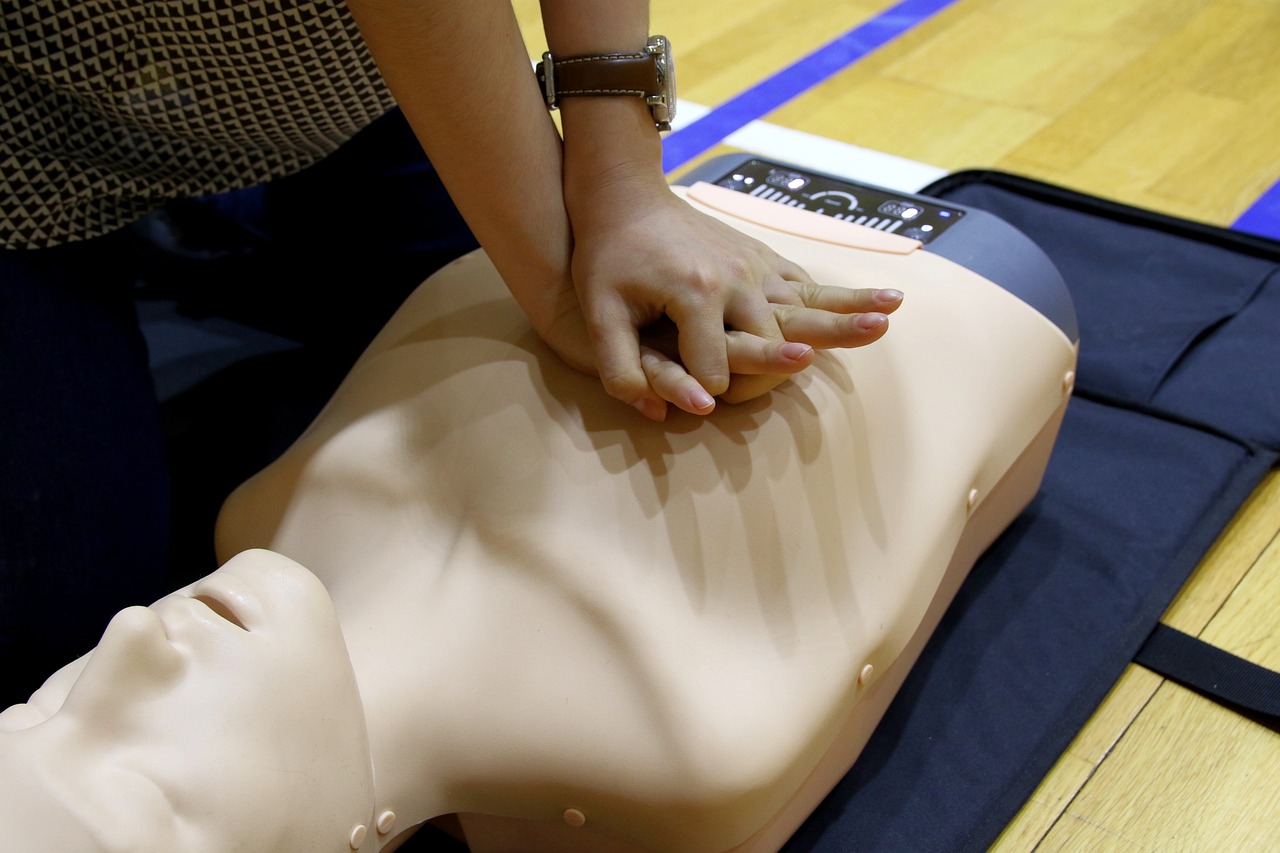
BLS Algorithms: Your Step-by-Step Guide to Adult, Child, and Infant Cardiac Arrest Response
BLS algorithms are structured, evidence-based protocols that guide healthcare providers through the critical steps of recognizing and responding to cardiac arrest. Following the 2025 American Heart Association (AHA) Guidelines, these algorithms ensure high-quality CPR, rapid AED deployment, and effective team coordination to maximize survival outcomes.
At Work Readiness Center, an Official American Heart Association (AHA) Training Center serving Cumming, GA and the greater Atlanta metro area, we teach BLS algorithms through hands-on practice with manikins, AED trainers, and scenario-based drills. Whether you’re responding to an adult in a hospital, a child in a clinic, or an infant in an emergency setting, mastering these algorithms is essential for patient safety and professional compliance.
What Is a BLS Algorithm?
A BLS algorithm is a flowchart-style protocol that outlines the sequence of actions a healthcare provider should take when encountering a patient in cardiac arrest. The algorithm is designed to be simple, practical, and effective, ensuring that providers can act quickly and confidently under pressure.
Key elements of BLS algorithms include:
- Scene safety and responsiveness check
- Activation of emergency response systems
- Assessment of breathing and pulse
- Initiation of high-quality CPR (compressions and rescue breaths)
- Rapid AED use and defibrillation
- Continuation of CPR cycles until advanced care arrives
The 2025 AHA Guidelines emphasize minimizing interruptions in chest compressions, ensuring proper compression depth and rate, and integrating AED use as early as possible.
Adult BLS Algorithm: Step-by-Step
The adult BLS algorithm is the most commonly used protocol in healthcare settings. Follow these steps when responding to an unresponsive adult:
Step 1: Verify Scene Safety and Check for Responsiveness
- Ensure the scene is safe for you and the victim.
- Tap the victim’s shoulder and shout, “Are you okay?”
- If no response, proceed to the next step.
Step 2: Activate Emergency Response and Retrieve AED
- If you are alone, call 911 (or activate your facility’s code team) and retrieve an AED/defibrillator.
- If others are present, point to a specific person and instruct them to call 911 and get the AED.
Step 3: Check for Breathing and Pulse
- Simultaneously check for normal breathing and a carotid pulse for no more than 10 seconds.
- If no pulse or only gasping breaths are present, begin CPR immediately.
Step 4: Begin High-Quality CPR
- Chest Compressions:
- Place the heel of one hand on the center of the chest (lower half of the breastbone).
- Place your other hand on top and interlace your fingers.
- Keep your shoulders directly over your hands and elbows locked.
- Compress at least 2 inches (5 cm) deep, but no more than 2.4 inches (6 cm).
- Maintain a rate of 100–120 compressions per minute.
- Allow full chest recoil between compressions.
- Minimize interruptions to less than 10 seconds.
- Rescue Breaths:
- After 30 compressions, open the airway using the head-tilt/chin-lift maneuver.
- Pinch the nose shut and give 2 rescue breaths, each lasting about 1 second.
- Ensure visible chest rise with each breath.
- Compression-to-Breath Ratio: 30:2 for single-rescuer CPR.
Step 5: Use AED as Soon as Available
- Turn on the AED and attach pads to the bare chest as shown in the diagrams.
- Follow voice prompts for rhythm analysis.
- If a shock is advised, ensure no one is touching the victim (“Clear!”), then deliver the shock.
- Immediately resume CPR after the shock or if “no shock advised” is announced.
Step 6: Continue CPR Cycles
- Continue cycles of 30 compressions and 2 breaths, with AED analysis every 2 minutes.
- Stop only when:
- Advanced medical personnel arrive and take over.
- The victim shows obvious signs of life (e.g., normal breathing, movement).
- The scene becomes unsafe.
Course Designed for:
- Doctor
- Dentist
- Nurse
- Dental Hygienist
- Medical Assistances
- EMTs
- Nurses
- CNA
- Physical Therapist
- Pharmacist
- EMT
- Medical Personnel
Any one that works in a Hospital.
Traditional Class
Length of Class: up to 2.5-3 hours
Includes: Adult Child and Infant training
Certification: American Heart Association Two Year Certification
Course Meets: Medical, State, Federal and OSHA Requirements
The American Heart Association (AHA) Heartsaver® certified BLS course is designed to teach students CPR for victims of all ages, use the automated external defibrillator (AED) and relief of choking. Instruction is given on recognition of life threatening emergencies and basic CPR techniques. It is designed for healthcare professionals and trained first responders who provide care to patients in a wide variety of settings, and teaches both single-rescuer and team basic life support skills for application in pre-hospital and in-facility settings. It is required for all medical personal and anyone desiring, or required, to obtain the advanced knowledge and skills taught at this level. Upon successful completion of skills demonstration, students will receive their BLS course completion card which is valid for two years.
BLS Healthcare Provider
- American Heart Association Two Year Certification Hands on Training eCard Fast Validation
Child BLS Algorithm (Ages 1 Year to Puberty)
The child BLS algorithm is similar to the adult algorithm but includes modifications for pediatric physiology.
Key Differences for Children:
- Compression Depth: About 2 inches (5 cm), or one-third the depth of the chest.
- Hand Placement: Use one or two hands, depending on the child’s size.
- Compression-to-Breath Ratio:
- Single rescuer: 30:2 (same as adult).
- Two rescuers: 15:2 (recommended for healthcare providers).
- Pulse Check: Check the carotid or femoral pulse for no more than 10 seconds.
Sequence:
- Verify scene safety and check responsiveness (tap shoulder, shout).
- Activate emergency response and retrieve AED.
- Check for breathing and pulse (no more than 10 seconds).
- Begin CPR with appropriate compression depth and ratio.
- Use AED as soon as available (use pediatric pads if available; otherwise, use adult pads).
- Continue CPR cycles until advanced care arrives.
Infant BLS Algorithm (Under 1 Year)
The infant BLS algorithm includes specific techniques for babies under 1 year of age.
Key Differences for Infants:
- Compression Depth: About 1.5 inches (4 cm), or one-third the depth of the chest.
- Hand Placement:
- Two-thumb encircling technique: Wrap both hands around the infant’s chest and compress with both thumbs on the center of the chest (preferred for healthcare providers).
- Two-finger technique: Use two fingers on the center of the chest if you cannot encircle the chest.
- Compression-to-Breath Ratio:
- Single rescuer: 30:2.
- Two rescuers: 15:2.
- Pulse Check: Check the brachial pulse (inside the upper arm) for no more than 10 seconds.
Sequence:
- Verify scene safety and check responsiveness (tap the bottom of the foot, shout).
- Activate emergency response:
- If witnessed collapse: Call 911 and get AED first, then begin CPR.
- If unwitnessed collapse: Perform 5 cycles of CPR (about 2 minutes) before leaving to call 911 and retrieve AED.
- Check for breathing and brachial pulse (no more than 10 seconds).
- Begin CPR with appropriate compression depth and ratio.
- Use AED as soon as available (use pediatric pads if available; otherwise, use adult pads without touching each other).
- Continue CPR cycles until advanced care arrives.
2025 AHA Guidelines Updates for BLS Algorithms
The 2025 AHA Guidelines introduced several refinements to BLS algorithms to improve recognition, simplify AED guidance, and enhance team dynamics. Key updates include:
- Stronger emphasis on high-quality CPR: Minimizing interruptions, ensuring proper depth and rate, and allowing full chest recoil.
- Simplified AED prompts: Clearer voice instructions to reduce confusion during defibrillation.
- Refined ventilation guidance: Emphasis on visible chest rise and avoiding over-ventilation.
- Enhanced team coordination: Clearer role assignments and communication strategies for multi-rescuer scenarios.
While there are no major structural changes to the BLS algorithm itself, these updates reinforce best practices and improve consistency across training programs.
Common Mistakes to Avoid in BLS Algorithms
Even trained providers can make errors during high-stress situations. Avoid these common mistakes:
- Delaying CPR: Starting compressions immediately after confirming no pulse improves survival.
- Interrupting compressions: Keep pauses under 10 seconds for breaths, AED analysis, or pulse checks.
- Incorrect compression depth: Compress at least 2 inches for adults, but not more than 2.4 inches.
- Over-ventilating: Deliver breaths over 1 second each, ensuring visible chest rise without excessive force.
- Improper AED pad placement: Follow diagrams on pads; avoid placing pads over medication patches or pacemakers.
Practice BLS Algorithms with Work Readiness Center
At Work Readiness Center, our BLS courses include dedicated practice on adult, child, and infant algorithms using AHA-compliant manikins and AED trainers. You’ll learn to:
- Recognize cardiac arrest quickly and accurately
- Deliver high-quality CPR with proper depth, rate, and recoil
- Integrate AED use seamlessly into CPR cycles
- Coordinate with team members in multi-rescuer scenarios
Serving Cumming, GA and the greater Atlanta area—including Alpharetta, Duluth, Lawrenceville, Marietta, and beyond—we offer flexible scheduling, onsite group training, and immediate AHA eCard issuance upon successful completion.
Ready to Master BLS Algorithms?
Call 770-878-3175 or email us to schedule your BLS class today. Our courses run 7 days a week, with blended learning options and hands-on skills sessions designed for healthcare professionals.